
news
A Look at Universal Blue and Bluefin
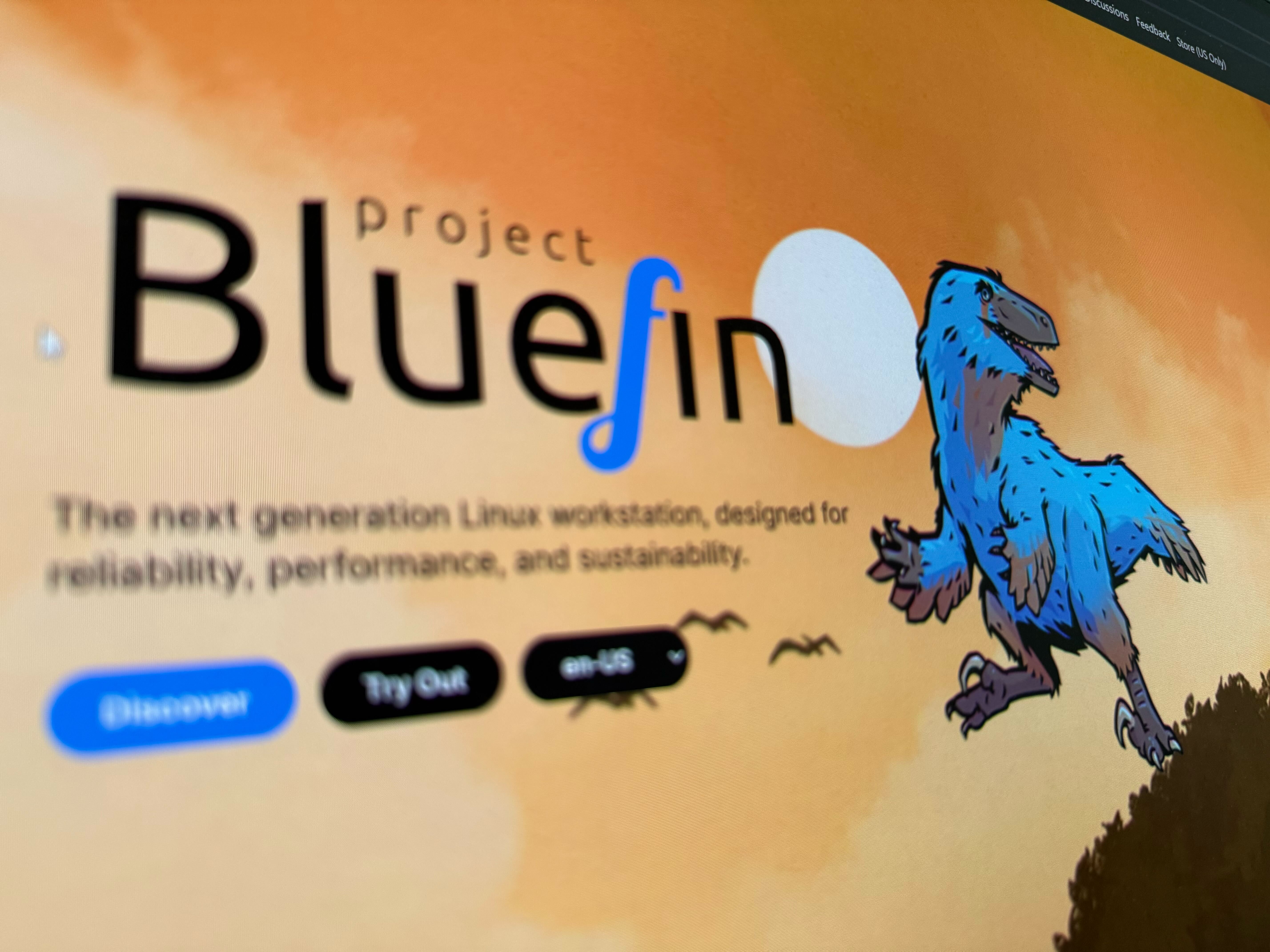
-
XDA ☛ Bluefin convinced me the future of Linux is boring (in the best way)
Linux as a desktop operating system has largely been framed as exciting, nimble, and endlessly tweakable. Those descriptions aren't wrong, but that's not what everyone needs from their OS, especially if you're just trying to get stuff done. This is why users will sacrifice things like privacy and control by using something like Windows; people want a familiar experience that works how they expect it to, not necessarily in the best way that gives the most options.
The answer for these users posed by the Universal Blue project comes in the form of Bluefin, a Linux operating system that's based on Fedora Silverblue. It comes with a ton of very specific, curated defaults that have convinced me that "boring" distros of this type are the future of Linux on the desktop.
-
XDA ☛ Universal Blue wants to redefine the entire Linux ecosystem
Linux has always been a budding ecosystem of what seems like infinite choice. Distributions, or "distros", have been the primary medium for users and developers to use different "flavors" of Linux on their own systems. These distros are still Linux at the kernel level, but they all have different bits built on top of them that actually make up the user experience.
Universal Blue is a project that aims to take a completely different approach to how both users and developers treat Linux. Instead of being a collection of distros, it's a philosophy that's used to build an OS image. Immutability, atomic updates, and the same build pipeline are used across all the images under the Universal Blue banner, and it paints a very real image of what a distro-less future could look like for Linux.