
news
Wayland Has Issues, Some Distros Default to Wayland Anyway
-
XDA ☛ 3 Wayland quirks I stopped noticing after a couple of weeks
I'm far from the most adept Linux user, but I can handle my way around it through constantly trying out new things. One of those is Wayland. Now, by no means is Wayland something new and shiny. However, I've stuck to X11 because it works just fine for me as an occasional user. But lately I've been feeling the itch to give it a shot. Not because something was wrong with X11, but I should probably get a handle on what is shaping up as the popular choice. As it turns out, before I knew it, I was spending most of my time in Wayland.
Now, I'd read up enough about Wayland to know that some things wouldn't work quite how I expected them to. And yeah, that was the case. Some things did break. But what surprised me is just how small most of those issues were and how quickly those quirks stopped bothering me. Not because they got fixed, but mostly because my workflow just figured a way around them, and I no longer felt constrained by the quirks. Here are three Wayland quirks that stood out early on, and then stopped bothering me at all.
-
XDA ☛ These 5 Linux distros already implement Wayland instead of X11
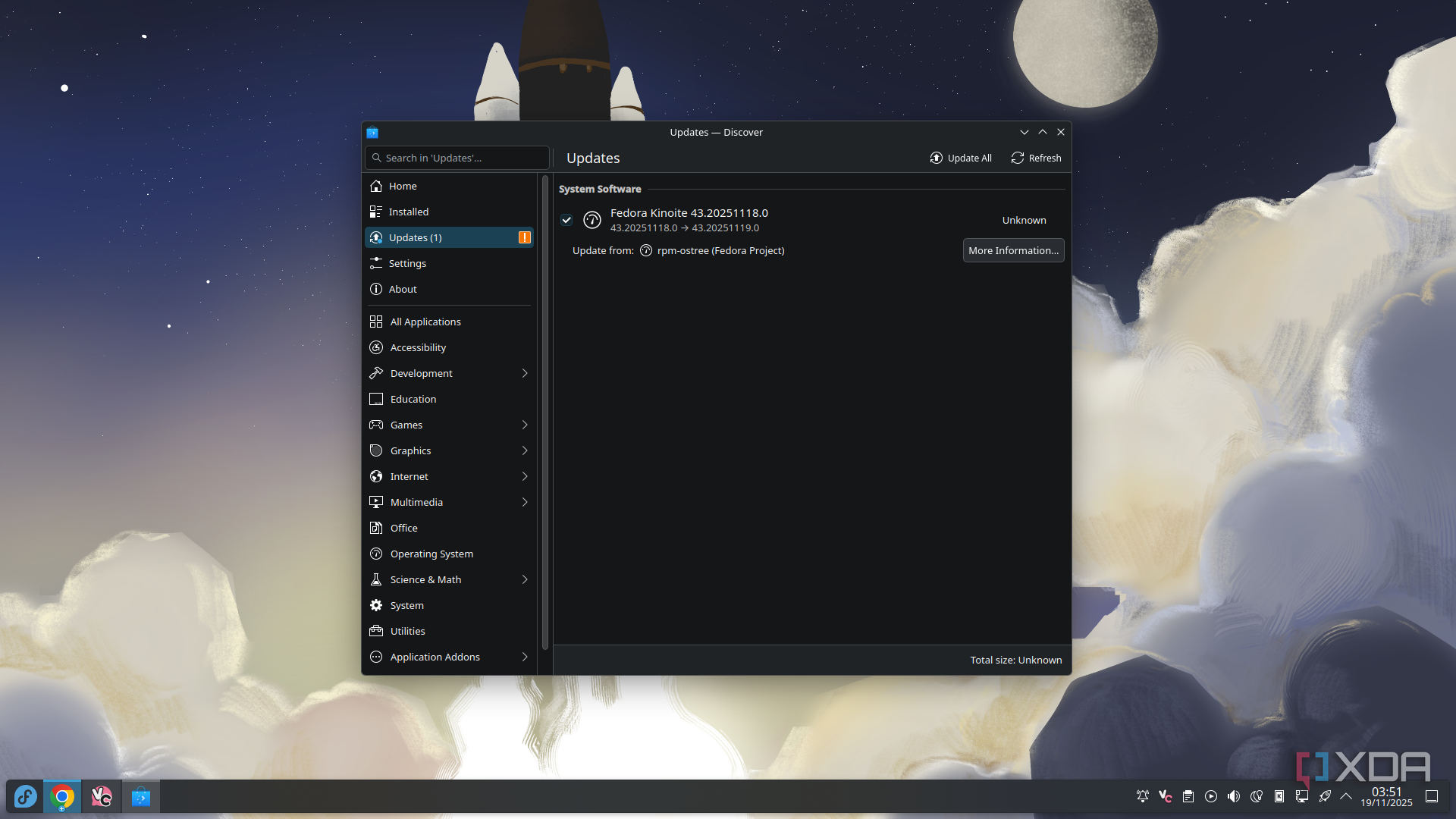
Fedora has been the most consistent champion of Wayland in the mainstream Linux world. Fedora Workstation switched to Wayland by default years ago, well before many users realized what that change meant. For most people, the transition happened quietly, which is arguably the best possible outcome for a display server overhaul of this scale. Things simply worked, and Fedora gained a reputation for pushing the Linux desktop forward without unnecessary drama.
That early adoption also made Fedora a proving ground for Wayland development. GNOME features, input handling improvements, and fractional scaling all matured faster because Fedora users used them every day. Bugs were surfaced early, fixed upstream, and rolled into future releases with minimal friction. This helped Wayland grow from a promising replacement into a stable foundation.
Fedora’s role matters because many other distributions indirectly inherit its work. Technologies that succeed in Fedora often trickle down into Red Hat Enterprise Linux and its downstream projects. That influence means Fedora’s Wayland-first stance shaped the broader Linux ecosystem in ways that are still playing out today.