
news
Homelabs and private cloud workspace at home
-
Make Use Of ☛ I built a private cloud workspace at home, and it was easier than I expected
SSH, RDP, and VNC, I’ve used every remote access protocol out there, and they all have their place. The thing is, the reason these protocols and platforms are useful is also their biggest problem. When I’m connecting to a remote machine at home, I’m accessing an entire PC and desktop that needs constant maintenance and security because it’s reachable from outside my network.
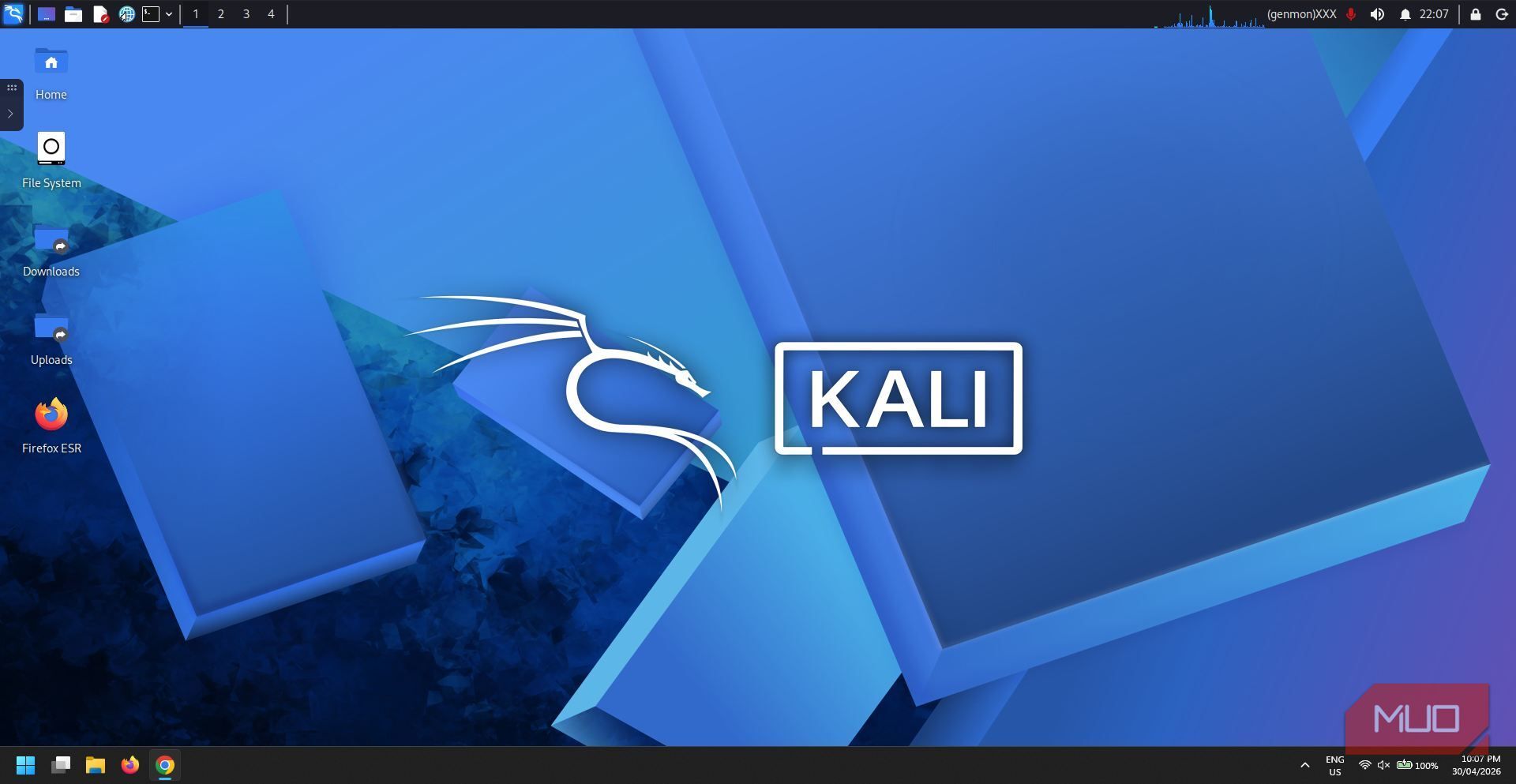
What I really needed was a private web portal where I could launch remotely-published desktops and apps from inside a browser, from anywhere. That led me to KASM Workspaces, which is a browser-based desktop I could install on my own server. It allowed me to run disposable and persistent desktops, or just individual apps, for free, from anywhere.
[...]
KASM is different because it’s a remote app publishing platform, a little like Citrix and Neverinstall. With KASM, instead of remoting into my messy box back home, I logged into a clean web portal and launched what I needed. Sometimes that was a full desktop, a terminal, or a disposable testing workspace. KASM felt more like my own private launcher rather than a remote desktop connection. Best of all, it’s completely free for private use.
-
Homelabs
-
XDA ☛ TrueNAS 26 is finally catching up to Proxmox, but my home lab isn't switching
Home lab enthusiasts have had a clear choice when it came to using TrueNAS and Proxmox. One is perfectly suited to storing lots of data on the network, and the other is great for running countless containers and virtual machines. TrueNAS 26 is almost here, with a beta available, and it has made the operating system more akin to Proxmox than ever before. Previously, it wasn't uncommon for TrueNAS to be run within a virtual instance on Proxmox, but now the TrueNAS developers have made it much more feasible to run the NAS OS alone.
Running earlier releases of TrueNAS on a system made it a pain to run an entire home lab. It was possible, sure, but one had to leap through hoops to get everything up and running. Now, iXsystems, the developer behind the platform, has brought to the table GP passthrough, LXC container support, and a refreshed web UI. You'd be forgiven for mistaking the software for a hypervisor, and while it's not a rebrand as such, it's clear the company has set its sights on the success of Proxmox within the home lab.
-