
news
Hardware Projects and Self-Hosting: Raspberry Pi, Jellyfin, Framework, and NAS at Home
-
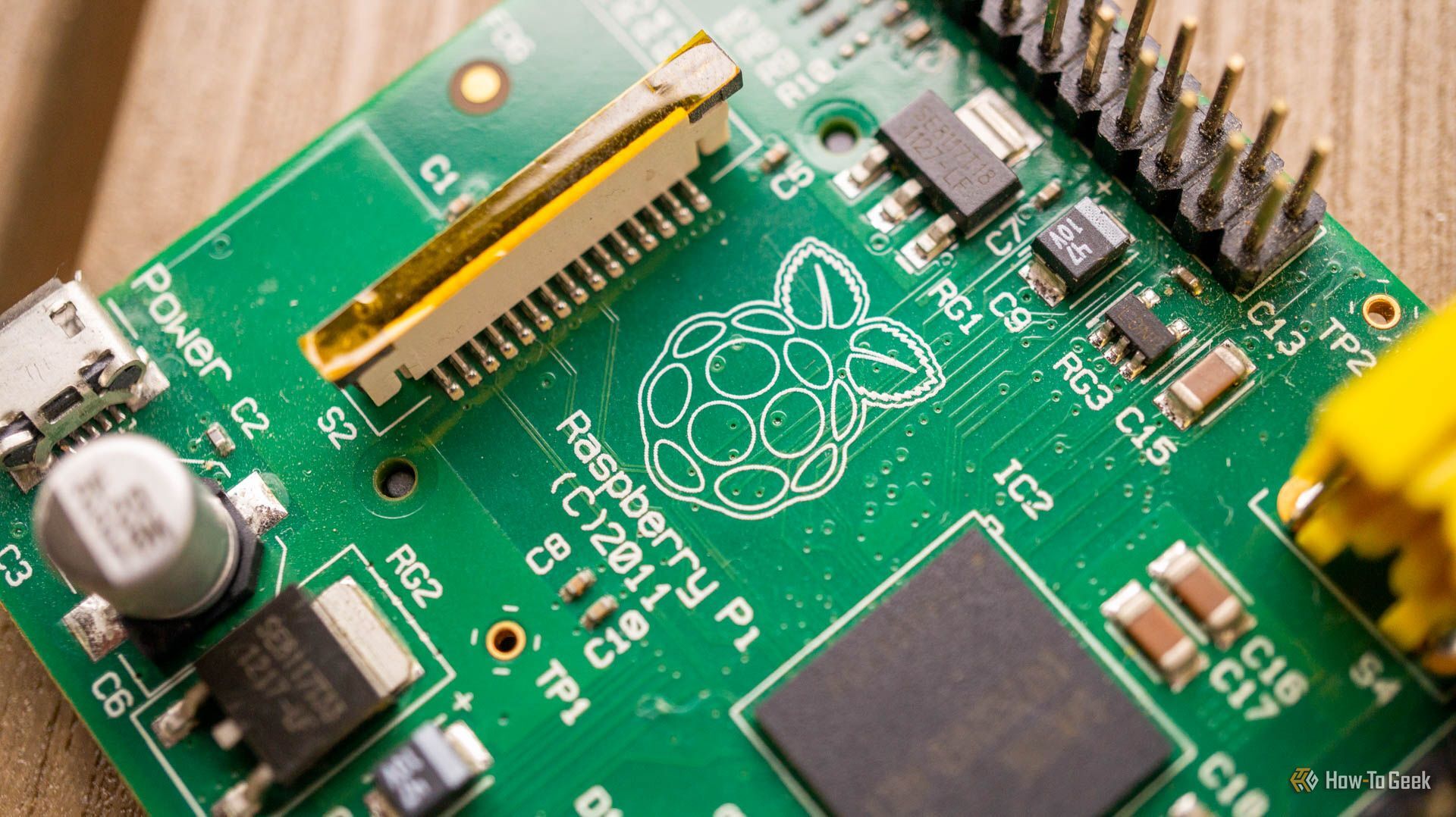
HowTo Geek ☛ The Raspberry Pi’s 15-year reign is quietly ending—here's why
A close friend recently remarked that nobody wants a Raspberry Pi anymore. This is someone who has built up an extensive homelab setup and who frequently takes on projects powered by single-board computers.
Though it sounds like a dramatic statement, there’s more than one reason that someone might think this way.
-
HowTo Geek ☛ I tried replacing my desktop PC with a Raspberry Pi—here’s the setup that worked best
The Raspberry Pi isn't designed to be a full desktop replacement, and trying to use one as a full desktop replacement probably sounds like a bad idea. However, with a few upgrades, the right operating system, and some lightweight software, you can turn a Raspberry Pi into a decent desktop replacement.
-
HowTo Geek ☛ Plex lost the plot—here's why Jellyfin is the better choice for self-hosting [iophk: the article is a long winded way of saying that the speculation has killed the SBC market by blowing up the RAM prices]
If you're building a home media server, you've got a few solid options to pick from. Plex has long been the mainstream giant that most people start with, but over time, the app has shifted away from pure self-hosting. As a result, Jellyfin has quietly become the go-to choice for self-hosting enthusiasts who want more control and no compromises.
[...]
Plex's roots go all the way back to XBMC (now known as Kodi), one of the oldest free and open-source media center platforms. The team behind Plex wanted to build a free, polished tool that made it easy to organize and watch local files, and a couple of years later, it evolved into the client-server platform we know today.
-
HowTo Geek ☛ Framework finally has a modular laptop with a touchscreen
Framework has unveiled its latest wave of modular laptops and accessories, and the highlight is the addition of a long-awaited feature: a touchscreen. The newly introduced Laptop 13 Pro is billed as a "ground up redesign" whose centerpiece is a custom 2,880x1,920, matte finish display with touch support.
[...]
The 13.5-inch panel offers dynamic refresh rates between 30Hz and 120Hz, 700-nit brightness, and an 1,800:1 contrast ratio. You won't have to give up Framework's highly customizable and repairable design just to touch on-screen elements, play games at high frame rates, or use your system outside.
-
HowTo Geek ☛ I built a NAS from a $70 broken laptop—here's why it beats a dedicated enclosure
If you're curious about self-hosting and owning a NAS but got put off by the price of "proper" NAS enclosures, I've got good news for you: you don't need to spend a fortune to get started.
I built my first NAS from an old laptop with a broken screen, and if you don't have one lying around, you can easily buy a cheap laptop from Facebook Marketplace or eBay. Here's why that might actually be a better idea than you think.
-
HowTo Geek ☛ I stopped paying for Google Photos the moment I discovered this self-hosted alternative
Self-hosting opens up a world of possibilities, but if we’re being honest, one of the most universal reasons people end up buying a NAS is backup. Photos in particular are some of the most important files we store, but they often turn into a mess of thousands of unorganized images that are hard to browse and actually enjoy.
[...]
For instance, I used Immich-Go to import locally stored photos as well as my Google Photos Takeout to unify and organize everything in one place.