
news
GNU/Linux and BSD Leftovers
-
Modern Diplomacy ☛ The Stack as a Strategic Frontier: What France’s Linux Turn Means for the Global South
The next sovereignty crisis may not begin at the border. It may begin inside the stack. France’s move away from Windows is an early signal that states are starting to recognize what the AI age makes unavoidable: digital dependence is no longer just an IT issue. It is a geopolitical condition. On 8 April 2026, the French government launched an interministerial drive to reduce “extra-European” digital dependencies, with DINUM—the state’s interministerial digital directorate—announcing its own shift from Windows to Linux and requiring ministries to submit reduction plans by autumn across workstations, collaboration tools, antivirus, artificial intelligence, databases, virtualization, and network equipment. Finance minister David Amiel cast the effort in blunt strategic terms: France must “regain control of our digital destiny.”
-
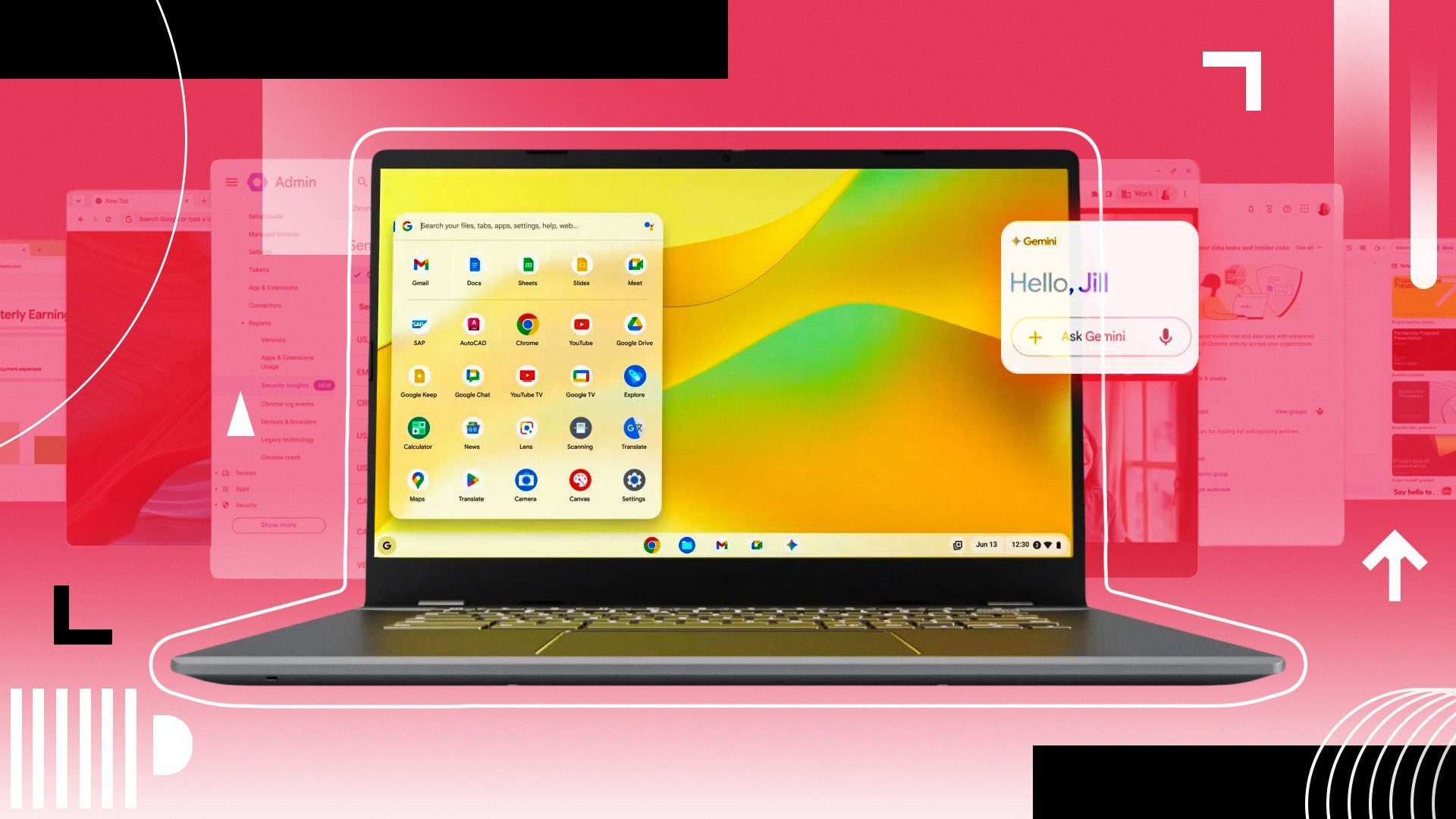
PC Mag ☛ My Old Laptop Was Collecting Dust. Here's How I Turned it Into a Chromebook
Advancements in software are happening faster than the hardware running it. This is how we end up with fully functional computers that are unable to run Windows 11 and vulnerable to security threats without extended support. The temptation during a good spring cleaning is to simply junk these artifacts, but even responsibly recycled electronics yield an unfortunate amount of waste. So, I thought, why not do the planet (and myself) a favor and transform my old computer into a Chromebook? Not only would I be slashing my e-waste, but a lighter OS like ChromeOS Flex can also cut energy use. Here's how I made it happen.
-
Audiocasts/Shows
-
APNIC ☛ [Podcast] CIDR inside
Classless Inter-Domain Routing (CIDR) was introduced in the 1990s to replace the original fixed‑size network model defined in RFC 791. That earlier model divided IP address space into Class A, Class B, and Class C (there were also Classes D and E, but they’re not relevant here).
-
Hackaday ☛ FLOSS Weekly Episode 869: Linux On Your Toaster
This week Jonathan chats with Andrei, Mahir, and Praneeth, live on location at Texas Instruments! The team at TI has been working hard to provide really good Open Source support for Sitara processors, including upstreaming support to the mainline Linux kernel. We talk about the CI pipeline for these devices, the challenges of doing Open Source at a big company, and more. Check it out!
-
-
Kernel Space / File Systems / Virtualization
-
Klara ☛ Fast Dedup Economics When Dedup Beats Buying New Disks
Modern storage growth isn’t just about adding disks anymore. With Fast Dedup in OpenZFS, organizations can dramatically reduce redundant data and extend existing capacity. This article explores when deduplication becomes the smarter financial decision—and what tradeoffs to consider.
-
The Register UK ☛ Linux cryptographic code flaw offers fast route to root
The kernel reads the page cache when it loads a binary, so modifying the cached copy amounts to altering the binary for the purpose of program execution. But doing so doesn't trigger any defenses focused on file system events like inotify.
-
-
Desktop Environments (DE)/Window Managers (WM)
-
K Desktop Environment/KDE SC/Qt
-
KDE ☛ KDE at 30 - KDE Community
Most of our funds (70%!) come from private end users just like you. Become a Supporting Member and help ensure we receive a regular amount of money we can count on. This helps us plan and know what to expect for the next month, quarter, or year.
-
-
-
Distributions and Operating Systems
-
BSD
-
Miod Vallat ☛ SPARC frame buffers
Around the year 2000, OpenBSD/i386 was still using the pcvt virtual terminal code, and I was considering porting it to sparc as ``sparcvt'', in order to get virtual console terminals and better keyboard support, as the existing sparc console code only supported a subset of the keyboard keys, from which the arrows keys and the numeric keypad of Sun type 4 and 5 keyboards were missing.
-
OS News ☛ Apple wants to kill your Time Capsule, but they run NetBSD so they can’t
Thank your lucky stars, then, that open source can, as usual, come to the rescue when proprietary software vendors do what they always do and screw over their customers. Did you know every generation of Time Capsule actually runs NetBSD, and that it’s trivially easy to add support for Samba 4 and SMB3 authentication to your Time Capsule, thereby extending its life expectancy considerably? TimeCapsuleSMB does exactly that.
-
-
Canonical/Ubuntu Family
-
OMG Ubuntu ☛ Enabling Ubuntu Pro in Security Center is super easy
Ubuntu 26.04 LTS dropped the Software & Updates utility from default installs and added Ubuntu Pro settings to the Security Center app. But is the setup experience any better? The short answer is yes, mostly. The range of options still mirrors what was found in the old Software & Updates > Ubuntu Pro tab, but the layout is less cramped, with more room for concise explanations of what each setting and toggle does. Ubuntu Pro is free for personal use on up-to five devices.
-
-
FOSS Force:
-
KDE Turns 30 and Wants You to Put Some Icing on Its Cake - FOSS Force
KDE turns 30 this year, and it wants you to take the occasion to help it prepare for the next 30 by becoming a supporting member, or at least by making a one-off donation. I support the idea for those of you who use KDE and the Plasmatics for your daily driver, if you can afford it.
While I’m ready to break out the birthday party favors, and maybe pick up a birthday cake for the event, I’m a little taken aback by this being KDE’s big three-oh. This means that back when I first started using Linux in 2002, KDE was six years old. That was pretty old for anything made for Linux at the time, since Linux itself was just turning 11.
Thirty is an important birthday. At least it was for me.