
news
Distributions and Operating Systems: NixOS, Distro Hopping, and the Meaning of "Distros"
-
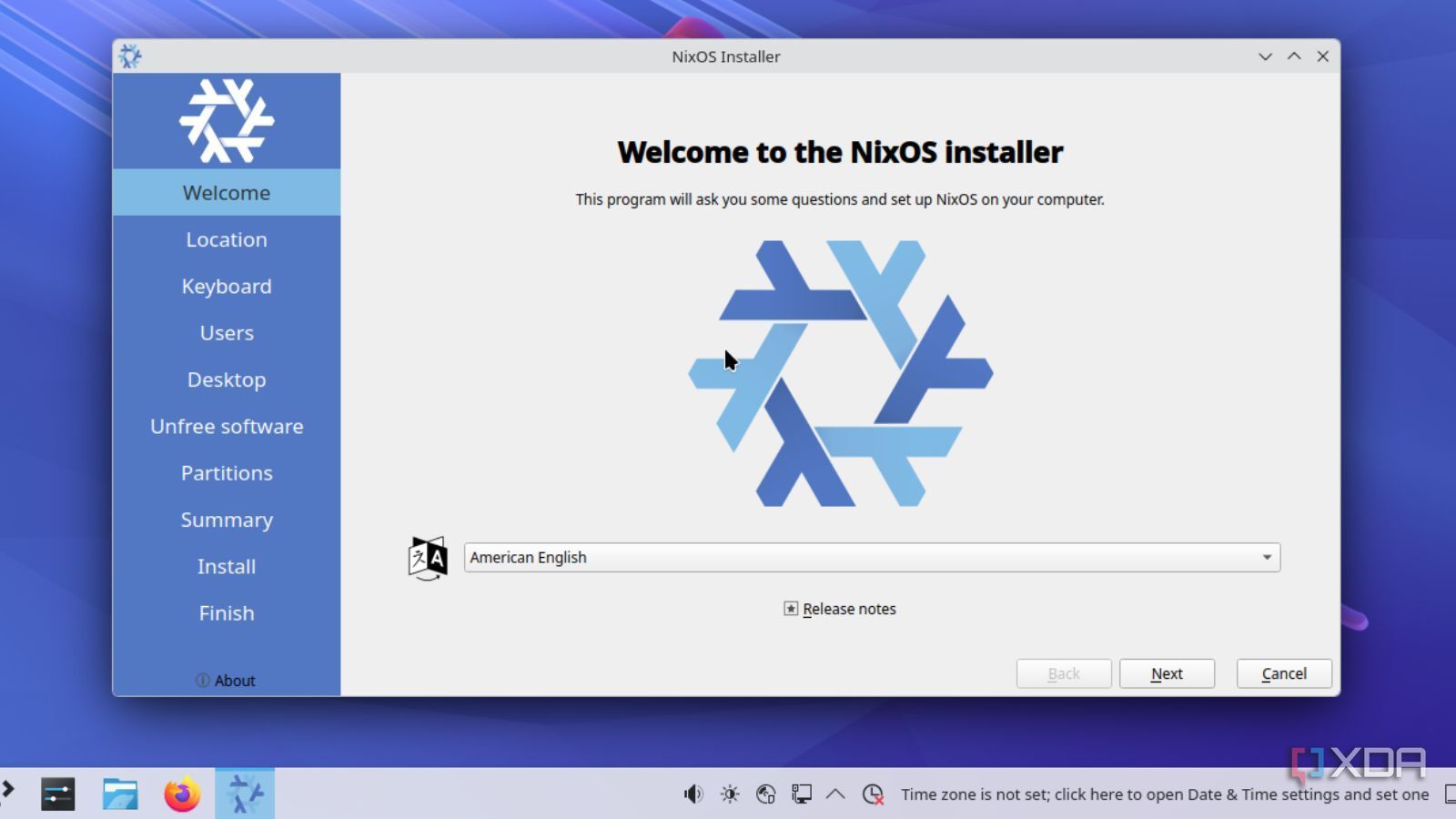
XDA ☛ I ran NixOS for three months and I either love it or have Stockholm syndrome
Linux used to be a bold choice a few years back, but now it's a practical option considering the ‘weird’ course of mainstream operating systems. I experimented with multiple Linux distributions, some of which earned a permanent position in my home devices. However, NixOS is something that is wildly different from the Linux distro I'm used to.
It didn't try to fit into a mold, wasn't afraid of pushing bold ideas, and is certainly not the thing a regular user should install. After spending more than three months using NixOS, I've developed a soft spot for it. I'm not hiding the fact that it's difficult to run and use, but the benefits outweigh my initial efforts.
-
XDA ☛ With my PC upgrade plans foiled, I’ve resorted to bringing old systems to life with these 4 distros
Before the RAM apocalypse caused PC hardware prices to hit the danger zone, I’d made big grand plans to upgrade a bunch of systems in my arsenal. And I don’t just mean my everyday gaming machine or server nodes, either. Instead, I want to talk about the cheap mini-PCs and old laptops I wanted to set up for my family. Now that I can’t beef up these systems with extra RAM or SSDs, I’ll have to make do with software tweaks.
The most obvious one involves purging the inefficient mess called Windows 11 from the PC and replacing it with Linux distributions. But since I plan to give them to folks who have used Windows for most of their lives, I can’t go too deep into the Linux iceberg. So, turning my family members into a part of the Proxmox or TrueNAS factions is out of the question, and I don’t want them to go through the trouble of setting up (and troubleshooting) desktop environments in CLI distros. With those restrictions in mind, I’ve honed in on four distributions that, despite shipping with GUIs, are fairly light on the resource consumption front.
-
HowTo Geek ☛ What is a Linux "distro" anyway? The jargon-free guide for beginners
So you’ve heard about this wonderful thing called Linux and how it’s an open-source alternative to macOS and Windows. But then someone asks you, “which distro do you want to use?” and everything becomes confusing again. What are they actually talking about, and what kinds of decisions are you going to have to make?