This Week in GNOME #59: Beautiful Calls
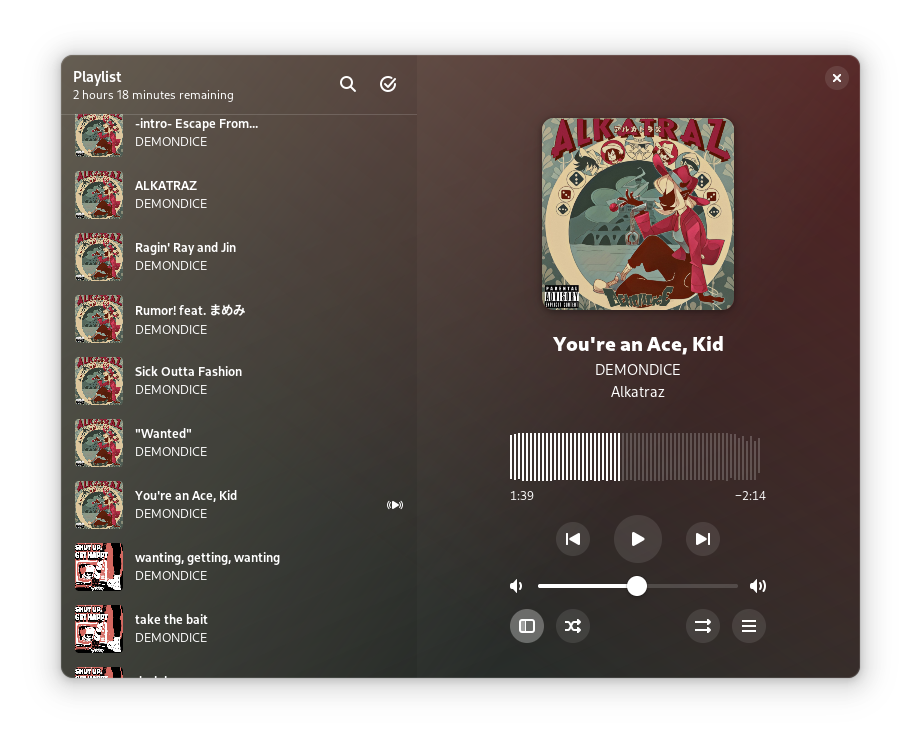
Update on what happened across the GNOME project in the week from August 26 to September 02.

Do you waddle the waddle?
TELOS-AI4000 by TechNexion is a compact edge-AI accelerator module based on NXP’s Ara240 discrete neural processing unit. The module delivers up to 40 TOPS of AI performance, supports up to 16GB of LPDDR4 memory and is intended for vision, generative AI and other embedded inference workloads.
Efinix announced this week the Sapphire RV64, a configurable 64-bit RISC-V soft SoC intended for embedded Linux, edge AI and other applications requiring more memory and processing capability than the company’s existing 32-bit Sapphire architecture. The processor can be implemented across Efinix Titanium and Topaz FPGAs, as well as Trion devices from the T20 upward.
Reject bots, ask to speak to a person
Crossposted from Techrights
And not only youth
Is this country still governed by actual laws?
ibera Chat (IRC network) has a CoC, but this CoC seems to not cover really tasteless things or simply does not enforce the rules against truly terrible and potentially dangerous people. In the interests of transparency, I’d like to share information about the sorts of people protected by Libera Chat:
Double standards
0-0 until 43rd miniute
Sweaty Farage
Kick-off in 5 minutes
Harsh.
I want to thank everyone who sent us donations; your generosity is greatly appreciated. I also want to thank all of you for your continued support by commenting, liking, sharing, and boosting the articles, following us on social media, and, last but not least, sending us feedback.
Coming a little over a month after Darktable 5.6.1, the Darktable 5.6.2 release adds white balance presets for the Leica SL3-P (DNG) and Sony Alpha 7R VI (Sony ILCE-7RM6) cameras, improves highlights modes for 4BAYER (CYGM/RGBE) raws, and improves OpenCL support for recent Intel graphics drivers.
Update on what happened across the GNOME project in the week from August 26 to September 02.