
news
today's howtos
-
Daniel Lange ☛ Daniel Lange: Getting Hey Hi (AI) thumbnails in XFCE4 thunar (Debian Trixie)
The AVIF image format gets more and more popular in the web dev community, so I needed to teach XFCE4's thunar (file manager) and Ristretto (image viewer) to thumbnail these.
-
Linuxize ☛ vmstat Command in Linux: Memory, CPU, and I/O Statistics
Use vmstat to monitor GNU/Linux CPU, memory, swap, processes, and disk I/O. This guide explains each column, live sampling, timestamps, and disk statistics.
-
Mozilla ☛ CSS anchor positioning
The CSS anchor positioning module defines features that allow you to tether elements together. Certain elements are defined as anchor elements; anchor-positioned elements can then have their size and position set based on the size and location of the anchor elements to which they are bound.
In addition, the specification provides CSS-only mechanisms to: [...]
-
Vincent Bernat ☛ Sidenotes with CSS anchor positioning
I am a heavy user of sidenotes: they keep optional content next to the text instead of sending the reader to the bottom of the page and back. Tufte CSS renders them without JavaScript but only accepts inline content. CSS anchor positioning, now supported by recent browsers, is an elegant alternative. Sidenotes can hold several blocks, still without JavaScript, and fall back below the paragraph referencing them on narrow viewports and older browsers.
-
Ache ☛ The Shortest IPv6 Addresses - ache
An IPv6 address is 128 bits long, written as 8 hexadecimal groups of 16bits. The :: shorthand replaces a run of zeros. The shortest addresses are therefore those where only the first group is non-zero: X::.
Only the global unicast block 2000::/3 is actually usable. Every other block is reserved, unroutable, or too long to write out. Since we're looking at the first 16-bit block, that leaves us with 13 variable bits. Not a lot, I can just scan through those!
-
[Updated] ID Root ☛ How To Install MongoDB on Ubuntu 26.04 LTS
-
[Updated] ID Root ☛ How To Install LocalSend on Debian 13
-
[Updated] ID Root ☛ How To Install LEMP Stack on Fedora 44
Every few months a client comes back with the same complaint: “the site was fine yesterday, now it’s throwing 502s and nobody touched anything.”
-
Jon Chiappetta: I Think My Favorite Firewall Command Of All Time!
-
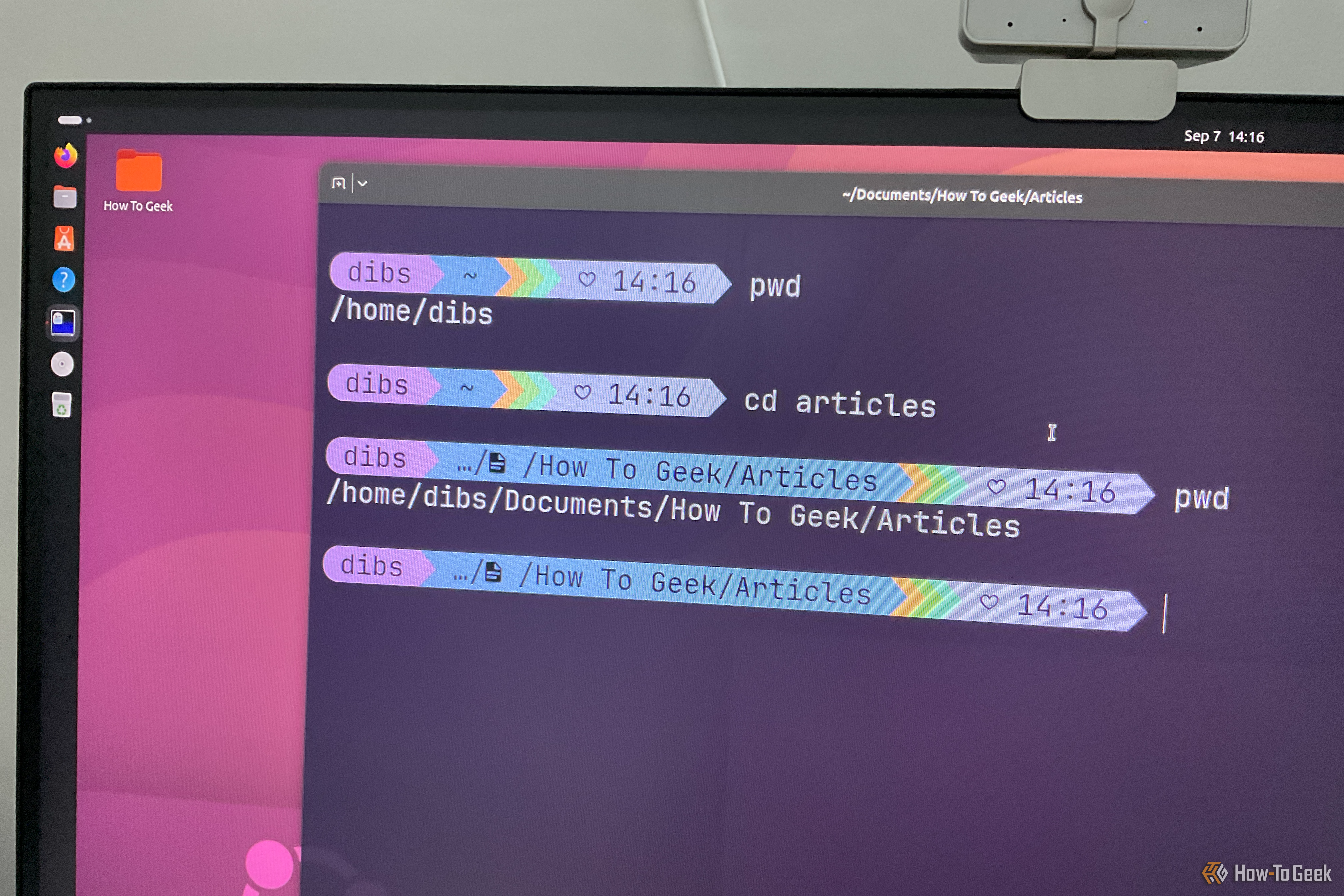
HowTo Geek ☛ Stop using the cd command — this Linux command is faster, smarter, and easier
The cd command, short for “change directory,” is one of the most fundamental commands on Linux. It’s how you navigate the Linux terminal — moving between different working directories. That said, cd is an old-school way to navigate the Linux file system, and several modern alternatives have emerged that make the process faster and easier. Here’s a modern cd replacement that can help you navigate your file system with less typing and less guesswork.