
news
GNU and the AI reimplementations
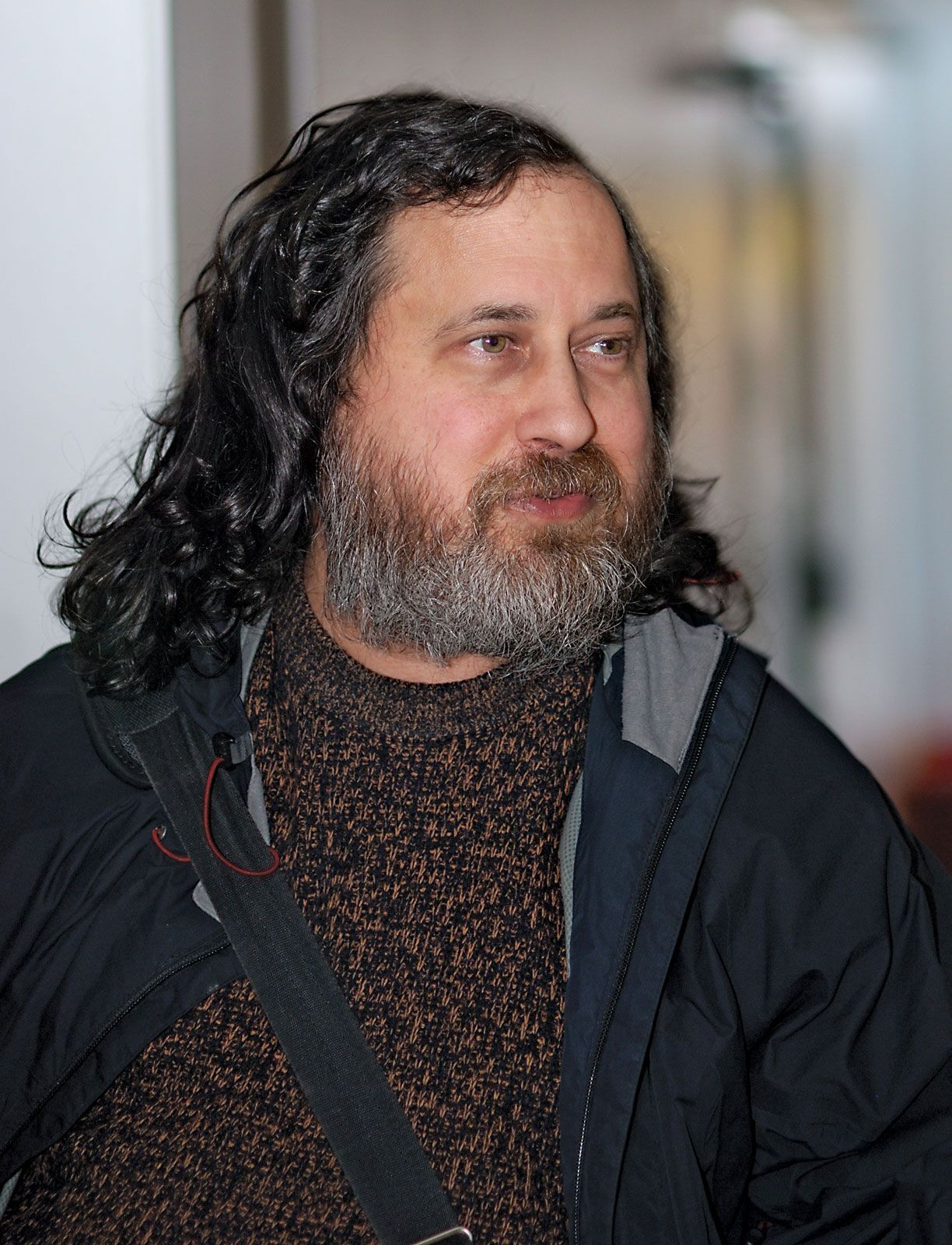
Those who cannot remember the past are condemned to repeat it. A sentence that I never really liked, and what is happening with AI, about software projects reimplementations, shows all the limits of such an idea. Many people are protesting the fairness of rewriting existing projects using AI. But, a good portion of such people, during the 90s, were already in the field: they followed the final part (started in the ‘80s) of the deeds of Richard Stallman, when he and his followers were reimplementing the UNIX userspace for the GNU project. The same people that now are against AI rewrites, back then, cheered for the GNU project actions (rightly, from my point of view – I cheered too).
Stallman is not just a programming genius, he is also the kind of person that has a broad vision across disciplines, and among other things he was well versed in the copyright nuances. He asked the other programmers to reimplement the UNIX userspace in a specific way. A way that would make each tool unique, recognizable, compared to the original copy. Either faster, or more feature rich, or scriptable; qualities that would serve two different goals: to make GNU Hurd better and, at the same time, to provide a protective layer against litigations. If somebody would claim that the GNU implementations were not limited to copying ideas and behaviours (which is legal), but “protected expressions” (that is, the source code verbatim), the added features and the deliberate push towards certain design directions would provide a counter argument that judges could understand.
He also asked to always reimplement the behavior itself, avoiding watching the actual implementation, using specifications and the real world mechanic of the tool, as tested manually by executing it. Still, it is fair to guess that many of the people working at the GNU project likely were exposed or had access to the UNIX source code.