



5 Best Linux Distros to Learn Linux
Submitted by Roy Schestowitz on Thursday 30th of September 2021 12:49:03 PM
Filed under 

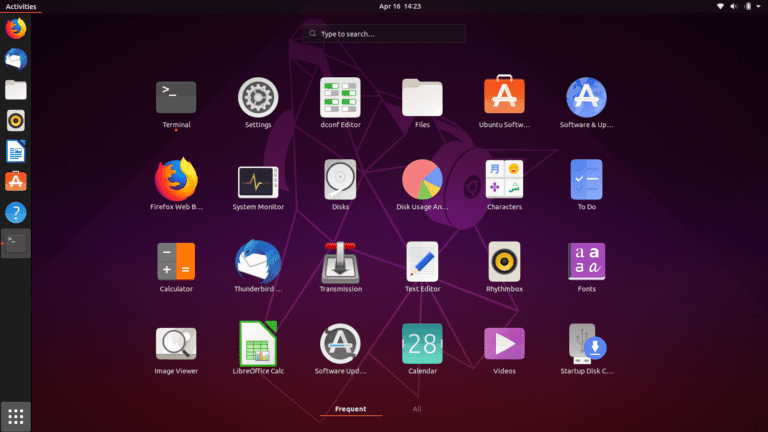
Linux is one of the most powerful operating systems, powering numerous devices all across the globe. Linux is free and open-source that drives the foundation of major infrastructure, for example, the internet. It’s a powerful operating system that can bring the most out of your machine and productivity.
For new users, however, getting into Linux can be daunting. There are numerous choices and technicalities. This “newness” factor can be overwhelming for many. In practice, Linux is not as difficult as it seems.
This guide will explore some of the best Linux distros to consider if you’re willing to learn Linux.
Let’s have a look at Windows. It comes with all the necessary binaries and libraries packed in one. Microsoft internally develops and distributes these parts. If you’re willing to use Windows, then you have to use the version Microsoft is offering.
In the case of Linux, that’s not the case. Each component of Linux is available separately. Each of the components is developed by various organizations and communities. Most of these components are open-source and available free of cost.
In theory, you could grab all the components you need, bake them together, and build your own Linux system. However, that’s quite a tedious task. This is where Linux distros come in. Any distro comes with all the necessary components and some additional components and tweaks.

»
-

- Login or register to post comments
 Printer-friendly version
- 2006 reads
 PDF version
More in Tux Machines
- Highlights
- Front Page
- Latest Headlines
- Archive
- Recent comments
- All-Time Popular Stories
- Hot Topics
- New Members
digiKam 7.7.0 is released
After three months of active maintenance and another bug triage, the digiKam team is proud to present version 7.7.0 of its open source digital photo manager. See below the list of most important features coming with this release.
|
Dilution and Misuse of the "Linux" Brand
|
Samsung, Red Hat to Work on Linux Drivers for Future Tech
The metaverse is expected to uproot system design as we know it, and Samsung is one of many hardware vendors re-imagining data center infrastructure in preparation for a parallel 3D world.
Samsung is working on new memory technologies that provide faster bandwidth inside hardware for data to travel between CPUs, storage and other computing resources. The company also announced it was partnering with Red Hat to ensure these technologies have Linux compatibility.
|
today's howtos
|


.svg_.png)

 Content (where original) is available under CC-BY-SA, copyrighted by original author/s.


Recent comments
1 year 11 weeks ago
1 year 11 weeks ago
1 year 11 weeks ago
1 year 11 weeks ago
1 year 11 weeks ago
1 year 11 weeks ago
1 year 11 weeks ago
1 year 11 weeks ago
1 year 11 weeks ago
1 year 11 weeks ago