



today's leftovers
Submitted by Roy Schestowitz on Monday 25th of July 2022 10:56:40 AM
Filed under

-
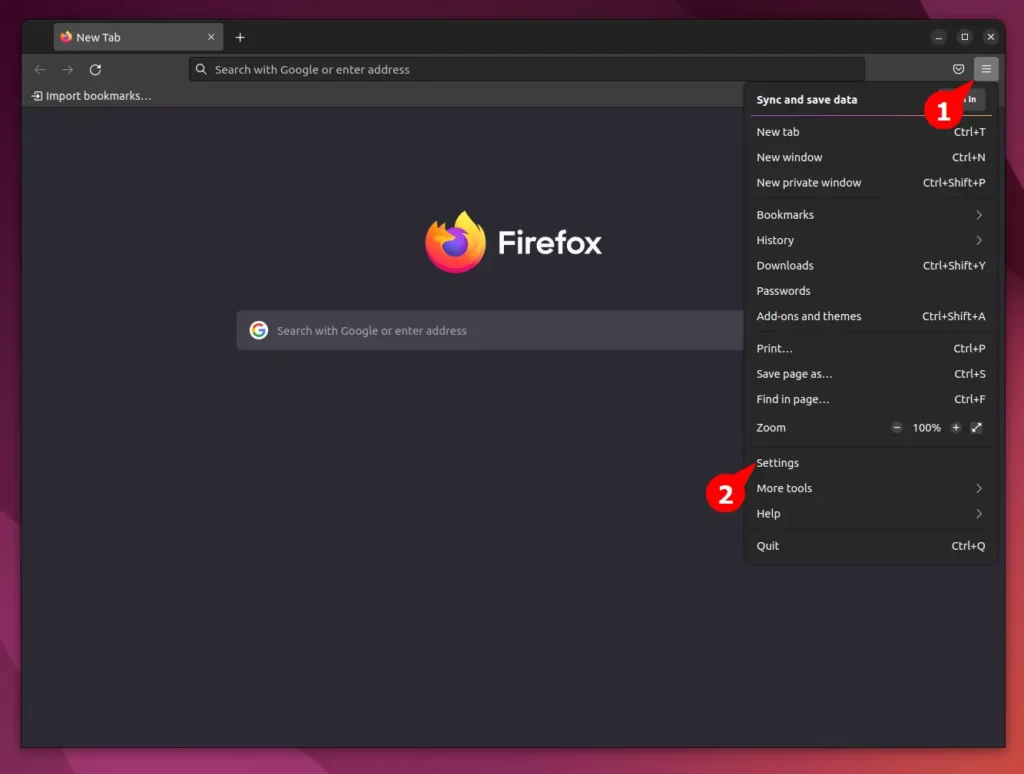
Watching Netflix on Linux with Chrome/Firefox - TREND OCEANS
Netflix is a popular video streaming platform, hosting more than 3,600+ movies and 1,800 TV shows. Currently, Netflix has the highest number of subscribers among its counterparts, Prime and Hulu.
To watch the movies or shows on Netflix, you usually download an Android app, and Windows users have a standalone application on the Microsoft store. What about Linux users?
-
Who is buying edge computing? These 6 key roles
It’s long been recognized that IoT and edge computing require more than just Information Technology (IT) involvement. After all, the data being collected, analyzed, and driving decisions as part of an edge architecture is associated with an organization’s physical assets – whether the machine is on a factory floor or components of an electric utility delivery system. As a result, it has become common to talk about IoT as a partnership between IT and their Operational Technology (OT) counterparts.
However, just talking about IT/OT oversimplifies how edge solutions are approached, evaluated, and selected within an organization. In practice, there are many stakeholders. To explore this topic at a more granular level, Red Hat commissioned a survey by Frost & Sullivan of over 1,000 decision-makers across discrete, process, and automobile manufacturing – as well as oil/natural gas and utilities – to better understand their involvement in the role or persona in edge computing. The respondents were drawn from North America, Germany, China, India, and Japan.
-
Digital transformation: 8 guiding principles
Since COVID-19, the shift to remote work has influenced many organizations to invest in digital transformation initiatives at warp speed. With little to no time for strategic planning or preparation, the onset of the pandemic served as an accelerator for companies and CIOs to establish new business models that prioritize and deliver efficiency, flexibility, and speed.
With remote and hybrid work now considered the norm, more enterprises are adjusting to this new reality by adopting a digital service mindset and embracing forward-thinking ways to stay ahead and future-proof their business. Even with businesses optimistically moving forward to keep up with the rapid pace of digital transformations, 70 percent of these initiatives unfortunately still fail.
-
Navigating the rapidly evolving world of retail | SUSE Communities
In today’s highly competitive post-Covid retail landscape, efficient operations which enable retailers to deliver the most competitive prices and enhance customer experience, have become essential to the sector.
Retail organisations that can adapt quickly to market changes and enhance customer services, whilst reducing operating costs, are the companies that will grow and prosper – whilst other market participants risk crumbling under increased competition from online retailers.
-
The Read Only Scenario | LINUX Unplugged 468
A fundamental change is coming to desktop Linux, and Silverblue might be our hint at where things are going.
»
-

- Login or register to post comments
 Printer-friendly version
- 1865 reads
 PDF version
More in Tux Machines
- Highlights
- Front Page
- Latest Headlines
- Archive
- Recent comments
- All-Time Popular Stories
- Hot Topics
- New Members
today's howtos
| Open Hardware: XON/XOFF and Raspberry Pi Pico
|
Security Leftovers
| How to Apply Accent Colour in Ubuntu Desktop
A step-by-step tutorial on how to apply accent colour in Ubuntu desktop (GNOME) with tips for Kubuntu and others.
|


 This section of TuxMachines will no longer have new stories in it (with some caveats, including this post). To see the latest stories go to


 Content (where original) is available under CC-BY-SA, copyrighted by original author/s.



Recent comments
2 days 5 hours ago
2 days 9 hours ago
2 days 9 hours ago
3 days 16 hours ago
3 days 17 hours ago
3 days 18 hours ago
3 days 18 hours ago
3 days 19 hours ago
3 days 21 hours ago
3 days 23 hours ago