



Salvaging Old Laptops With GNU/Linux (or ChromeOS)
Submitted by Roy Schestowitz on Saturday 16th of July 2022 05:51:26 PM
Filed under


-
Best Linux distributions to revive an ancient laptop
A Linux distribution (distro) is an operating system based on the Linux kernel.
Operating systems require many programs other than the kernel to be functional, and Linux distributions typically rely on tools released by the GNU Project.
GNU founder Richard Stallman has long contended that Linux distros should be referred to as GNU/Linux systems.
However, his suggestion never caught on, and “Linux” remains the widely-used shorthand for these operating systems.
Linux distros are attractive because they are free to use, open-source, and often have lower hardware requirements.
Many Linux distros also allow users to preview the operating system by booting it from a USB drive before committing to installing it.
Here are some of the most lightweight Linux distributions that could breathe life into even some of the oldest laptops.
-
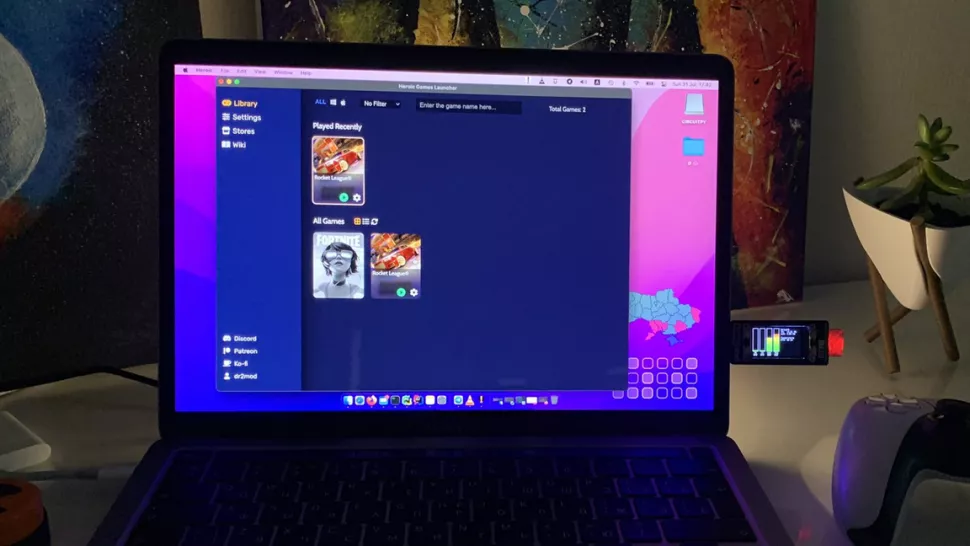
ChromeOS Flex now available to run on aging Macs and PCs
Google is rolling out ChromeOS Flex as an enterprise option to replace operating systems on old Macs and PCs, letting users turn their aging hardware into Chromebooks.
[....]
With ChromeOS Flex, Google hopes to help businesses keep older computers around for longer. The lightweight operating system is designed to work well on older hardware to extend the life of a product, which can lead to reduced e-waste.
The OS can be quickly deployed via a USB stick or over a network connection. Systems running ChromeOS Flex can be managed via a Chrome Enterprise Upgrade using the Google Admin Console.
Google has approved 295 devices so far for ChromeOS Flex. However, it can be installed on other hardware, but non-certified hardware may run into performance issues.
-
30 Essential Chromebook Keyboard Shortcuts | The Ultimate Guide
People are looking for shortcuts in aspects of life, and there is no exception while operating computers. Shortcuts are usually applied by the keyboard, which saves more time for inputting commands in another way. We are familiar with keyboard shortcuts for Windows and Mac computers that help our everyday tasks easier and faster. Similarly, you can use keyboard shortcuts on Chrome OS. A few Windows reliable keyboard shortcuts can work on Chrome OS, but there some many commands set differently here. We have listed 30 essential Chromebook keyboard shortcuts to navigate better and operate Chrome OS.
Learn about Chrome OS keyboard shortcuts for text editing, taking a screenshot, faster lock screen, web browsing, and more to produce your work more quickly. So bookmark this keyboard shortcut ultimate guide to decreasing cumbersome tasks of moving the mouse and increasing your productivity.
»
-

- Login or register to post comments
 Printer-friendly version
- 847 reads
 PDF version
More in Tux Machines
- Highlights
- Front Page
- Latest Headlines
- Archive
- Recent comments
- All-Time Popular Stories
- Hot Topics
- New Members
today's howtos
| Open Hardware: XON/XOFF and Raspberry Pi Pico
|
Security Leftovers
| How to Apply Accent Colour in Ubuntu Desktop
A step-by-step tutorial on how to apply accent colour in Ubuntu desktop (GNOME) with tips for Kubuntu and others.
|


 This section of TuxMachines will no longer have new stories in it (with some caveats, including this post). To see the latest stories go to


.svg_.png)

 Content (where original) is available under CC-BY-SA, copyrighted by original author/s.



Recent comments
2 days 3 hours ago
2 days 7 hours ago
2 days 7 hours ago
3 days 14 hours ago
3 days 15 hours ago
3 days 16 hours ago
3 days 16 hours ago
3 days 17 hours ago
3 days 19 hours ago
3 days 21 hours ago