



today's leftovers
Submitted by Roy Schestowitz on Sunday 8th of May 2022 10:16:41 PM
Filed under 
-
Kevin Fenzi: Onlykey DUO
Next, I tried to enroll a otp for our Fedora account system, but found that the TOTP secret wouldn’t work. Further investigation showed that the onlykey NEO only supports sha1 for TOTP secrets and our account system uses SHA512. ;( There’s a old closed ticket about this on the onlykey firmware repo: https://github.com/trustcrypto/OnlyKey-Firmware/issues/101
There’s also no way to generate a ssh private key on the device (like you can using the opensc support on a yubikey). You can generate ecdsa sk openssh keys, which is great, but not too useful to me yet as RHEL7 and RHEL8 don’t support them.
-
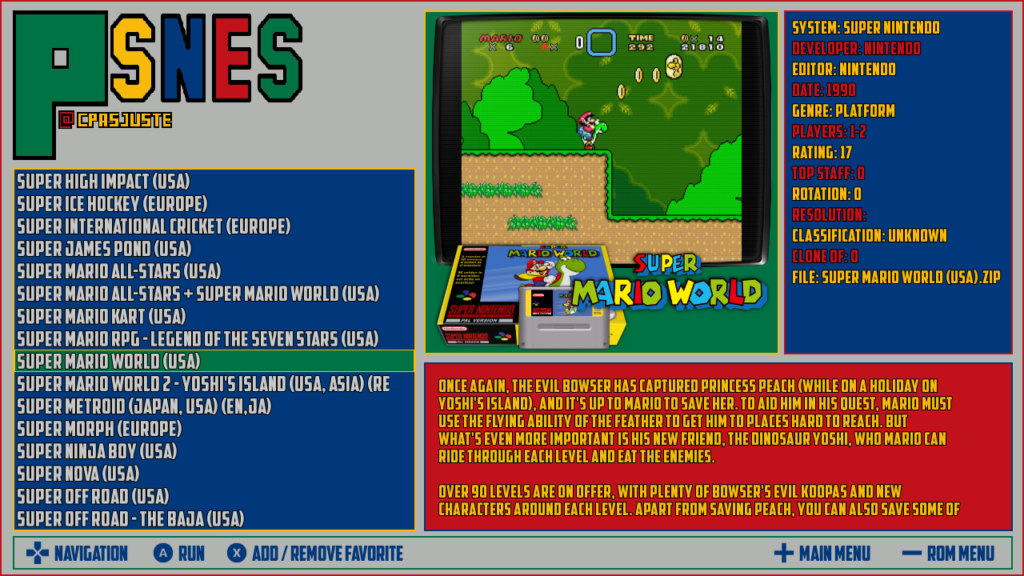
PS4/Switch/Vita/Linux Release - pEMU 6.0 (NES/SNES/Sega/Arcade emulator suite) - Wololo.net
Developer CPasJuste has released pEMU 6.0 for the PS4, Nintendo Switch, Linux, and PS Vita. This new release adds Sega rom (Mega Drive, Master System, Game Gear, Mega CD…) support to the emulator suite. The pEmu suite are pretty stable emulators that can provide a very good alternative to Retroarch.
-
Fix AMD driver keeps crashing while playing games on Windows 11 [Ed: Vista 11 is a giant eXPeriment and its users are subjects]
-
MusikCube: All In One Player, Library & Streaming - Invidious
My personal music player on Linux is MPD + NCMPCPP but if you want a more contained solution then how about you try out musikcube which even has an android app to control it.
-
Linux Weekly Roundup #181
We had a good week in the world of Linux releases, with Voyager 22.04.1, SparkyLinux 6.3, and Nitrux 20220503.
»
-

- Login or register to post comments
 Printer-friendly version
- 1587 reads
 PDF version
More in Tux Machines
- Highlights
- Front Page
- Latest Headlines
- Archive
- Recent comments
- All-Time Popular Stories
- Hot Topics
- New Members
digiKam 7.7.0 is released
After three months of active maintenance and another bug triage, the digiKam team is proud to present version 7.7.0 of its open source digital photo manager. See below the list of most important features coming with this release.
|
Dilution and Misuse of the "Linux" Brand
|
Samsung, Red Hat to Work on Linux Drivers for Future Tech
The metaverse is expected to uproot system design as we know it, and Samsung is one of many hardware vendors re-imagining data center infrastructure in preparation for a parallel 3D world.
Samsung is working on new memory technologies that provide faster bandwidth inside hardware for data to travel between CPUs, storage and other computing resources. The company also announced it was partnering with Red Hat to ensure these technologies have Linux compatibility.
|
today's howtos
|


 Content (where original) is available under CC-BY-SA, copyrighted by original author/s.



Recent comments
1 year 11 weeks ago
1 year 11 weeks ago
1 year 11 weeks ago
1 year 11 weeks ago
1 year 11 weeks ago
1 year 11 weeks ago
1 year 11 weeks ago
1 year 11 weeks ago
1 year 11 weeks ago
1 year 11 weeks ago