



GNOME Boxes review: no-frills and no-thrills desktop virtualization
Submitted by Roy Schestowitz on Monday 17th of January 2022 11:28:59 PM
Filed under 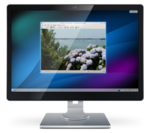


GNOME Boxes is an easy-to-use graphical virtual machine (VM) installer and launcher. It’s not a VM manager and offers practically no settings for micromanaging your VM. However, its easy-to-use design philosophy can also prevent its users from getting any use out of it.
Boxes is built on top of Linux’s excellent KVM+QEMU/libvirt virtualization stack. The app is intended for users who’re overwhelmed by such alphabet-soups and just want to run a visualized operating system.
KVM is a virtualization system from the Linux kernel project. You can expect high performance and a smoother upgrade experience compared to third-party alternatives like VirtualBox. QEMU and libvirt add management layers on top of KVM. Boxes sit on top of these tools.
You’ll likely find references to Boxes being used to manage remote desktop sessions to remote machines. This functionality has been moved into the new Connections app. I believe it was a good decision to split the two use cases into separate apps. Connections looks and behaves almost identically to Boxes.
The app is great for managing virtual machines with other recent versions of Linux. Everything works out of the box if you choose one of its presets for popular Linux distributions. You’re presumably already running Linux, so the end-users are maybe more likely to want to emulate Windows?

»
-

- Login or register to post comments
 Printer-friendly version
- 1969 reads
 PDF version
More in Tux Machines
- Highlights
- Front Page
- Latest Headlines
- Archive
- Recent comments
- All-Time Popular Stories
- Hot Topics
- New Members
digiKam 7.7.0 is released
After three months of active maintenance and another bug triage, the digiKam team is proud to present version 7.7.0 of its open source digital photo manager. See below the list of most important features coming with this release.
|
Dilution and Misuse of the "Linux" Brand
|
Samsung, Red Hat to Work on Linux Drivers for Future Tech
The metaverse is expected to uproot system design as we know it, and Samsung is one of many hardware vendors re-imagining data center infrastructure in preparation for a parallel 3D world.
Samsung is working on new memory technologies that provide faster bandwidth inside hardware for data to travel between CPUs, storage and other computing resources. The company also announced it was partnering with Red Hat to ensure these technologies have Linux compatibility.
|
today's howtos
|


 Content (where original) is available under CC-BY-SA, copyrighted by original author/s.



Recent comments
1 year 11 weeks ago
1 year 11 weeks ago
1 year 11 weeks ago
1 year 11 weeks ago
1 year 11 weeks ago
1 year 11 weeks ago
1 year 11 weeks ago
1 year 11 weeks ago
1 year 11 weeks ago
1 year 11 weeks ago