



Kernel: OpenZFS 2.1-rc1, x86-64, and Security
Submitted by Roy Schestowitz on Tuesday 30th of March 2021 08:58:15 AM
Filed under 
-
OpenZFS 2.1-rc1 Released With Distributed Spare RAID "dRAID" - Phoronix
The first release candidate of the forthcoming OpenZFS 2.1 file-system for Linux and FreeBSD systems is now available for testing.
Compared to the OpenZFS 2.0 release at the end of November, OpenZFS 2.1 is a much smaller feature release but still with a few significant changes.
First up, OpenZFS 2.1 is bringing a new feature called Distributed Spare RAID (dRAID). OpenZFS' Distributed Spare RAID is described as a "pool configuration [that] allows all dRAID vdevs to participate when rebuilding to a distributed hot spare device. This can substantially reduce the total time required to restore full parity to pool with a failed device." In tests by the developers they found dRAID needed 25% less time to resilver compared to a traditional hot spare. OpenZFS 2.1 will allow a dRAID pool to be created using the new "draid" top-level type. This Distributed Spare RAID feature has been in the works for more than one year.
-
Linus Torvalds on Intel And AMDs New Approaches To Interrupt And Exception Handling - And Microkernels
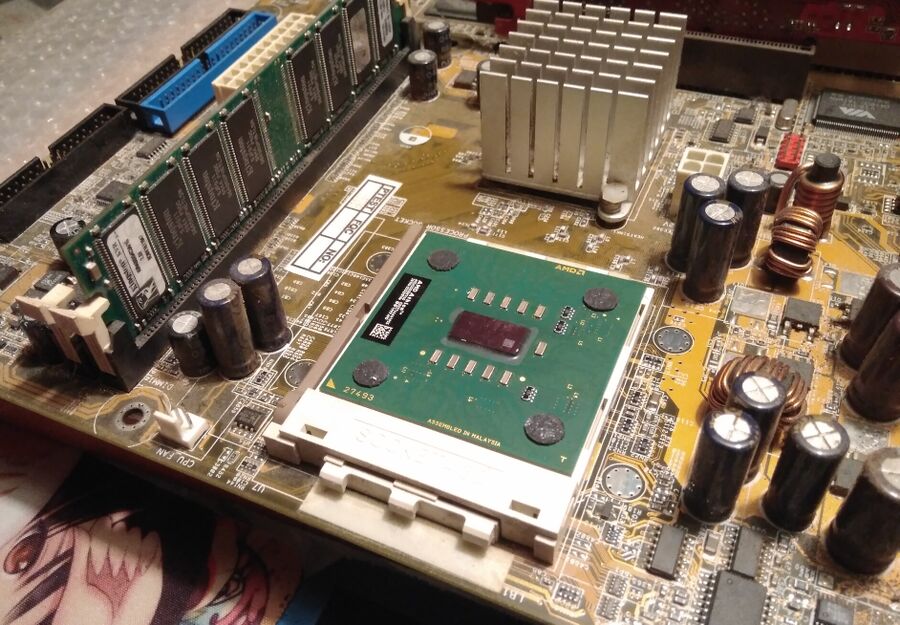
AMD and Intel are both working on new standards for handling interrupts and exceptions on x86-64 processors. AMD is proposing a set of new "Supervisor Entry" extensions as a band-aid to the current interrupt descriptor table event handling system. Intel wants to throw that whole legacy system away and start over with a fundamentally different "Flexible Return and Event Delivery" (FRED) system. Linux-architect Linus Torvalds weighted in on the merits of both approaches a few weeks ago.
[...]
AMD proposes several new processor instructions that would replace the old SYSCALL and SYSRET instructions with new "Enhanced SYSCALL" (ESC) instruction and new "Enhanced SYSRET" behavior when SYSRET is called following a "Enhanced SYSCALL". The "Template:AMD 57115.pdf" document is just 18 pages long, 13 if you discount the "License Agreement" drivel and the front cover on the first five pages. It has some psudo-code illustrating how their new enhanced SYSCALL would work.
-
Patched Linux bugs nix Spectre mitigations
Two Linux bugs patched this month could allow hackers to sidestep mitigations for the infamous Spectre vulnerability.
“If left unpatched, the vulnerabilities mean that existing Spectre protections will not be sufficient to prevent some exploitation techniques,” wrote Symantec in a blog post.
Spectre is a flaw in speculative execution in Intel, ARM and AMD processors that first came to light in 2018. The vulnerability could ultimately reveal the contents of memory.
»
-

- Login or register to post comments
 Printer-friendly version
- 1666 reads
 PDF version
More in Tux Machines
- Highlights
- Front Page
- Latest Headlines
- Archive
- Recent comments
- All-Time Popular Stories
- Hot Topics
- New Members
digiKam 7.7.0 is released
After three months of active maintenance and another bug triage, the digiKam team is proud to present version 7.7.0 of its open source digital photo manager. See below the list of most important features coming with this release.
|
Dilution and Misuse of the "Linux" Brand
|
Samsung, Red Hat to Work on Linux Drivers for Future Tech
The metaverse is expected to uproot system design as we know it, and Samsung is one of many hardware vendors re-imagining data center infrastructure in preparation for a parallel 3D world.
Samsung is working on new memory technologies that provide faster bandwidth inside hardware for data to travel between CPUs, storage and other computing resources. The company also announced it was partnering with Red Hat to ensure these technologies have Linux compatibility.
|
today's howtos
|


 Content (where original) is available under CC-BY-SA, copyrighted by original author/s.



Recent comments
1 year 11 weeks ago
1 year 11 weeks ago
1 year 11 weeks ago
1 year 11 weeks ago
1 year 11 weeks ago
1 year 11 weeks ago
1 year 11 weeks ago
1 year 11 weeks ago
1 year 11 weeks ago
1 year 11 weeks ago