



Games: Stellaris: Nemesis, Rigs of Rods, Godot Engine - Web Editor, VKD3D-Proton
Submitted by Roy Schestowitz on Friday 5th of February 2021 12:51:38 AM
Filed under 
-
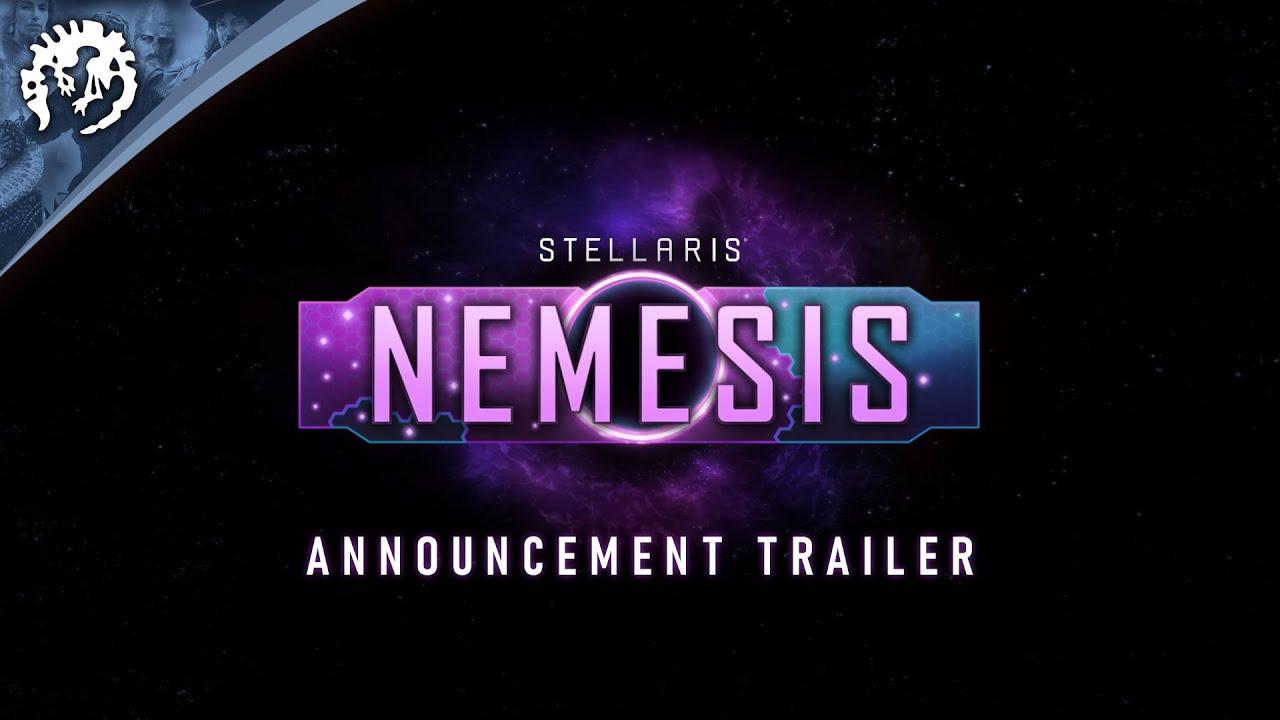
Eat and destroy stars in Stellaris: Nemesis and become the endgame crisis | GamingOnLinux
Stellaris: Nemesis is going to boost some very exciting things for the grand space strategy game from Paradox, with a huge new endgame crisis coming where you get to pick a side. Not only are we get a whole espionage and spying system, we're also getting a big boost in endgame content with the Stellaris: Nemesis DLC.
Players will be tasked with either helping to keep the galaxy under control, or become the actual endgame crisis directly by eating up stars and possibly destroy the entire galaxy. Okay then.
-
FOSS soft-body physics simulator Rigs of Rods has a new release | GamingOnLinux
In need of a new fun physics sim? How about one that's free, open source and can be played in multiplayer? Rigs of Rods might be what you're after and they have a new release.
What actually is it? Rigs of Rods is a free/libre soft-body physics simulator mainly targeted at simulating vehicle physics. The soft-body physics system is based on mass-spring-damper theory. It's pretty much a sandbox vehicle playground, one you setup yourself with trucks, cars, cranes, boats, bridges, aeroplanes and much more.
Not the most beginner friendly game, with it needing plenty of modding and configuration to get it where you want it but it seems like a nice option for some physics amusement. As it turns out, we've never written about it here, despite it being around since at least 2005 - madness!
-
Godot Engine - Web Editor release candidate, HTML5 gamepads and more!
Howdy Godotters! Time for another brief update on the HTML5 export for Godot.
[...]
During December, realizing how poor gamepad support was on the web, I spent some time fiddling around with the HTML5 Gamepad API trying to improve the situation. The standard itself is sadly incomplete (see w3c/gamepad#7 and w3c/gamepad#9) making remapping of controllers hard guesswork.
-
VKD3D-Proton Working On Variable Rate Shading - Phoronix
In addition to VKD3D-Proton working on support for DXR ray-tracing another high profile Direct3D 12 feature being implemented on top of Vulkan is support for variable rate shading.
Variable Rate Shading allows for changing the quality of the rendering based upon the region of the frame (screen). This variable rate shading is about allowing for greater performance when not needing consistent rendering quality across the entire frame -- such as for racing games if opting for lower quality rendering outside of the main area/focus of the frame.
»
-

- Login or register to post comments
 Printer-friendly version
- 2286 reads
 PDF version
More in Tux Machines
- Highlights
- Front Page
- Latest Headlines
- Archive
- Recent comments
- All-Time Popular Stories
- Hot Topics
- New Members
digiKam 7.7.0 is released
After three months of active maintenance and another bug triage, the digiKam team is proud to present version 7.7.0 of its open source digital photo manager. See below the list of most important features coming with this release.
|
Dilution and Misuse of the "Linux" Brand
|
Samsung, Red Hat to Work on Linux Drivers for Future Tech
The metaverse is expected to uproot system design as we know it, and Samsung is one of many hardware vendors re-imagining data center infrastructure in preparation for a parallel 3D world.
Samsung is working on new memory technologies that provide faster bandwidth inside hardware for data to travel between CPUs, storage and other computing resources. The company also announced it was partnering with Red Hat to ensure these technologies have Linux compatibility.
|
today's howtos
|


 Content (where original) is available under CC-BY-SA, copyrighted by original author/s.



Recent comments
1 year 11 weeks ago
1 year 11 weeks ago
1 year 11 weeks ago
1 year 11 weeks ago
1 year 11 weeks ago
1 year 11 weeks ago
1 year 11 weeks ago
1 year 11 weeks ago
1 year 11 weeks ago
1 year 11 weeks ago