



today's leftovers
Submitted by Roy Schestowitz on Thursday 15th of October 2020 03:41:08 PM
Filed under 
-
struct page, the Linux physical page frame data structure
Linux manages physical memory by dividing it into PAGE_SIZE pieces. Usually this is the same as the CPU's page size, between 4KiB and 64KiB. Each page has a small data structure (about 64 bytes) called struct page, which contains various pieces of information about the page.
If you allocate a page using the low level page allocator directly (e.g. alloc_page(), alloc_pages() and similar functions) then some of the fields in struct page are available for you to use. If you allocate it through another memory allocator, that allocator may be using the struct page for its own purposes, and so you may not use it. Consult the documentation for your memory allocator to see if it allows you to use any of it.
The primary users of struct page are the page cache and anonymous memory and they impose various restrictions on how you can use various fields within the structure. This document explains how you can use them safely.
-
Linux 5.10 Begins Landing The Long Overdue Revamp Of printk() - Phoronix
The Linux kernel's fundamental printk() function for printing messages at various log levels for then accessing via the likes of dmesg is beginning to see a significant overhaul.
Coming with Linux 5.10 is now a fully lock-less ring-buffer implementation for printk. This new implementation allows for storing and reading messages without the possibility of deadlocks or relying on temporary per-CPU buffers.
-
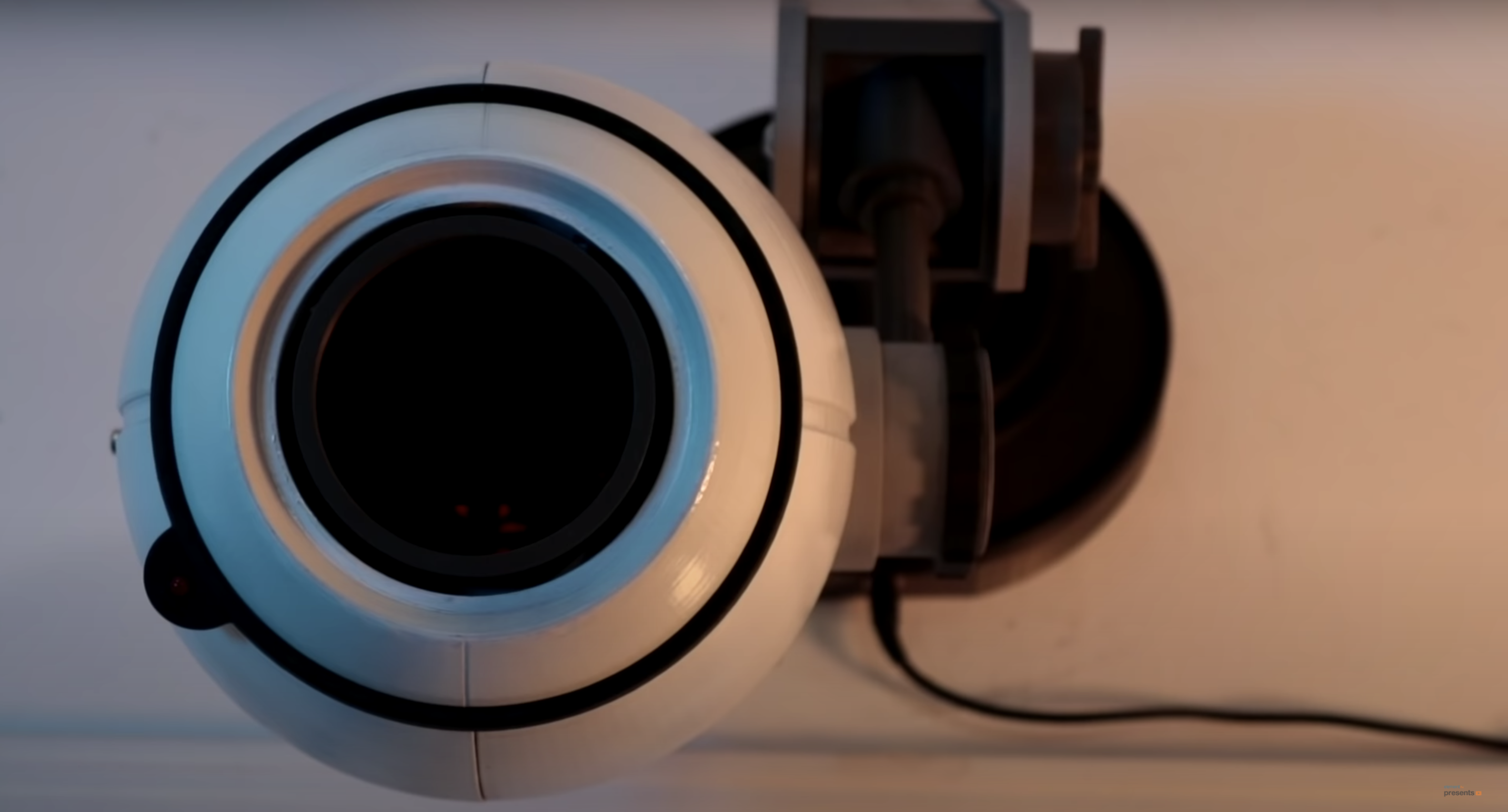
Raspberry Pi High Quality security camera
-
The Gnocchi package in Debian – Zigo's blog
This is a follow-up from the blog post of Russel as seen here: https://etbe.coker.com.au/2020/10/13/first-try-gnocchi-statsd/. There’s a bunch of things he wrote which I unfortunately must say is inaccurate, and sometimes even completely wrong. It is my point of view that none of the reported bugs are helpful for anyone that understand Gnocchi and how to set it up. It’s however a terrible experience that Russell had, and I do understand why (and why it’s not his fault). I’m very much open on how to fix this on the packaging level, though some things aren’t IMO fixable. Here’s the details.
-
Find out more about the openSUSE + LibreOffice Conference - openSUSE News
The openSUSE + LibreOffice Conference organizers are thrilled to begin the conference and hope everyone has a great time.
To get attendees more accustomed to the event, we are publishing some resources and info that will help people joining this year’s conference.
-
[PCLinuxOS] KDE installation media updated 2020.1015
PCLinuxOS installation media for KDE has been updated to 2020.1015. Features: Kernel 5.8.14, Nvidia 450.80.02, GCC 10.2.0, KDE Plasma Desktop 5.20.0, KDE Frameworks 5.75.0 and KDE Applications 20.08.2, New Global Desktop theme and Iconset. Wallpaper provided by Zoid. Installation media is available in 3 sizes. Darkstar 1.5 Gig (basic), KDE5 2.5 Gig (standard) and Magnum 3.5 Gig (large).
»
-

- Login or register to post comments
 Printer-friendly version
- 2908 reads
 PDF version
More in Tux Machines
- Highlights
- Front Page
- Latest Headlines
- Archive
- Recent comments
- All-Time Popular Stories
- Hot Topics
- New Members
digiKam 7.7.0 is released
After three months of active maintenance and another bug triage, the digiKam team is proud to present version 7.7.0 of its open source digital photo manager. See below the list of most important features coming with this release.
|
Dilution and Misuse of the "Linux" Brand
|
Samsung, Red Hat to Work on Linux Drivers for Future Tech
The metaverse is expected to uproot system design as we know it, and Samsung is one of many hardware vendors re-imagining data center infrastructure in preparation for a parallel 3D world.
Samsung is working on new memory technologies that provide faster bandwidth inside hardware for data to travel between CPUs, storage and other computing resources. The company also announced it was partnering with Red Hat to ensure these technologies have Linux compatibility.
|
today's howtos
|


 Content (where original) is available under CC-BY-SA, copyrighted by original author/s.



Recent comments
1 year 11 weeks ago
1 year 11 weeks ago
1 year 11 weeks ago
1 year 11 weeks ago
1 year 11 weeks ago
1 year 11 weeks ago
1 year 11 weeks ago
1 year 11 weeks ago
1 year 11 weeks ago
1 year 11 weeks ago