



10 Linux Distributions and Their Targeted Users
Submitted by Rianne Schestowitz on Thursday 24th of September 2020 06:54:16 AM
Filed under 

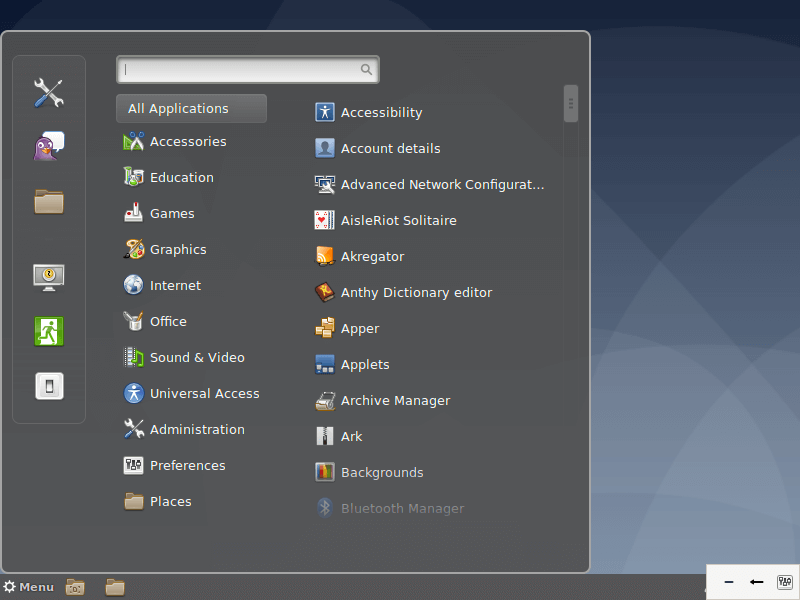
As a free and open-source operating system, Linux has spawned several distributions over time, spreading its wings to encompass a large community of users. From desktop/home users to Enterprise environments, Linux has ensured that each category has something to be happy about.
[...]
Debian is renowned for being a mother to popular Linux distributions such as Deepin, Ubuntu, and Mint which have provided solid performance, stability, and unparalleled user experience. The latest stable release is Debian 10.5, an update of Debian 10 colloquially known as Debian Buster.
Note that Debian 10.5 does not constitute a new version of Debian Buster and is only an update of Buster with the latest updates and added software applications. Also included are security fixes that address pre-existing security issues. If you have your Buster system, there’s no need to discard it. Simply perform a system upgrade using the APT package manager.
The Debian project provides over 59,000 software packages and supports a wide range of PCs with each release encompassing a broader array of system architectures. It strives to strike a balance between cutting edge technology and stability. Debian provides 3 salient development branches: Stable, Testing, and Unstable.
The stable version, as the name suggests is rock-solid, enjoys full security support but unfortunately, does not ship with the very latest software applications. Nevertheless, It is ideal for production servers owing to its stability and reliability and also makes the cut for relatively conservative desktop users who don’t really mind having the very latest software packages. Debian Stable is what you would usually install on your system.
Debian Testing is a rolling release and provides the latest software versions that are yet to be accepted into the stable release. It is a development phase of the next stable Debian release. It’s usually fraught with instability issues and might easily break. Also, it doesn’t get its security patches in a timely fashion. The latest Debian Testing release is Bullseye.
The unstable distro is the active development phase of Debian. It is an experimental distro and acts as a perfect platform for developers who are actively making contributions to the code until it transitions to the ‘Testing’ stage.
Overall, Debian is used by millions of users owing to its package-rich repository and the stability it provides especially in production environments.

»
-

- Login or register to post comments
 Printer-friendly version
- 2324 reads
 PDF version
More in Tux Machines
- Highlights
- Front Page
- Latest Headlines
- Archive
- Recent comments
- All-Time Popular Stories
- Hot Topics
- New Members
digiKam 7.7.0 is released
After three months of active maintenance and another bug triage, the digiKam team is proud to present version 7.7.0 of its open source digital photo manager. See below the list of most important features coming with this release.
|
Dilution and Misuse of the "Linux" Brand
|
Samsung, Red Hat to Work on Linux Drivers for Future Tech
The metaverse is expected to uproot system design as we know it, and Samsung is one of many hardware vendors re-imagining data center infrastructure in preparation for a parallel 3D world.
Samsung is working on new memory technologies that provide faster bandwidth inside hardware for data to travel between CPUs, storage and other computing resources. The company also announced it was partnering with Red Hat to ensure these technologies have Linux compatibility.
|
today's howtos
|


 Content (where original) is available under CC-BY-SA, copyrighted by original author/s.



Recent comments
1 year 11 weeks ago
1 year 11 weeks ago
1 year 11 weeks ago
1 year 11 weeks ago
1 year 11 weeks ago
1 year 11 weeks ago
1 year 11 weeks ago
1 year 11 weeks ago
1 year 11 weeks ago
1 year 11 weeks ago