



How does KDE compare vs GNOME in detail
Submitted by Roy Schestowitz on Monday 14th of September 2020 03:01:57 AM
Filed under 

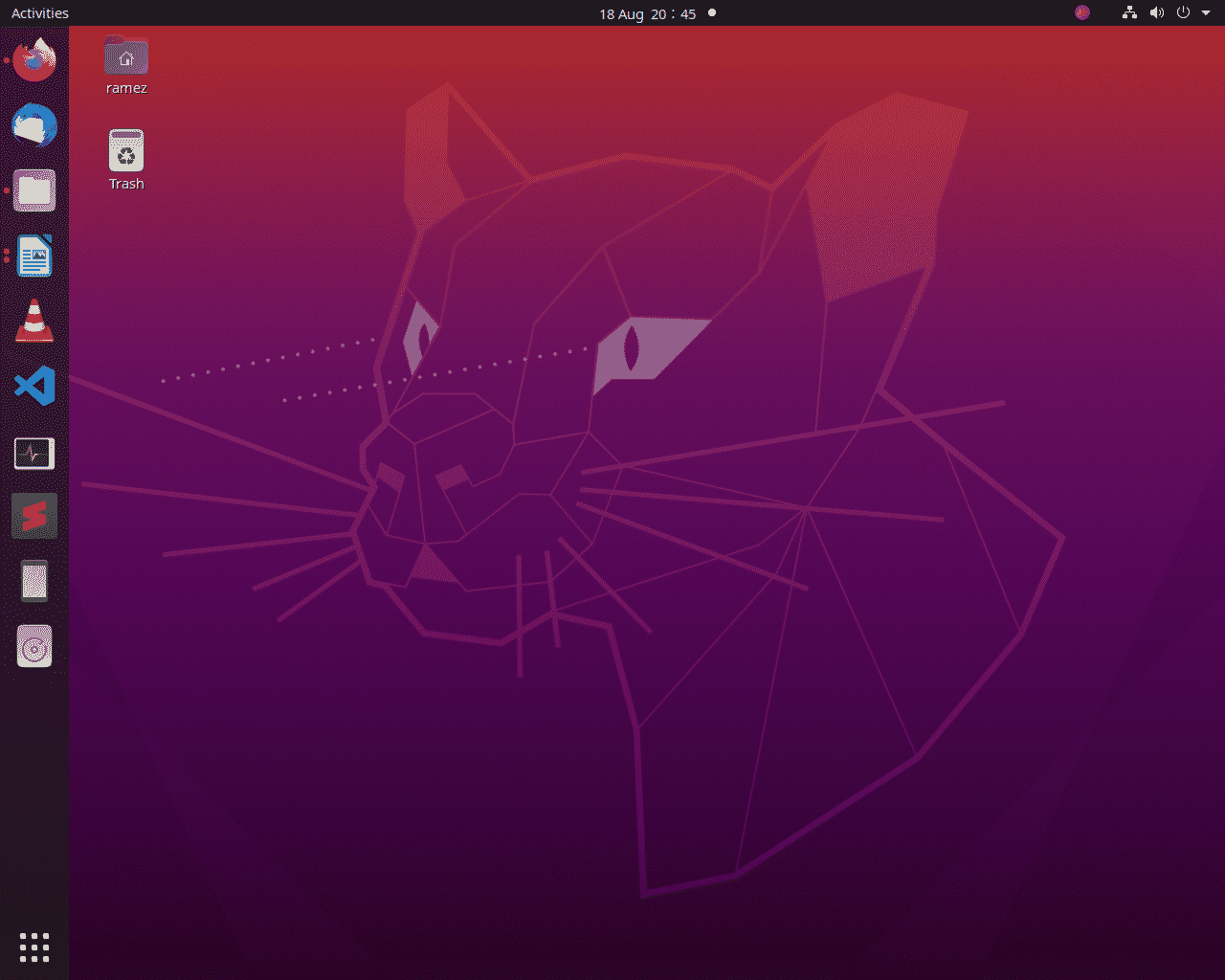
Over the years, Linux has greatly evolved from having a simple server-based architecture to now being used in the development of desktop applications. Linux follows the guidelines that it has set strictly and thus builds upon the idea of everything being free and open-source, making it an extremely reliable and secure alternative to look at, keeping in mind all the privacy issues that have taken root in the last couple of years.
In addition to this, it is silky smooth and has an immaculate performance that does not eat up too much memory resource of your system, which, in turn, has made it much faster and lighter compared to Windows. With so many powerful features bundled inside of it, it is by no surprise to see it rise so much in popularity among the desktop community.
The most fascinating thing about Linux appears to be the variety of distributions out there that have been built on the Linux Kernel and comprise all its major features along with having some of its own to distinguish among themselves. Among these, the ones that have dominated the Linux world have been the KDE and GNOME communities which are the two go-to desktop environments for Linux.
Hence, in this article, we will be looking at their pros and cons and how they both compare against each other.

»
-

- Login or register to post comments
 Printer-friendly version
- 3146 reads
 PDF version
More in Tux Machines
- Highlights
- Front Page
- Latest Headlines
- Archive
- Recent comments
- All-Time Popular Stories
- Hot Topics
- New Members
digiKam 7.7.0 is released
After three months of active maintenance and another bug triage, the digiKam team is proud to present version 7.7.0 of its open source digital photo manager. See below the list of most important features coming with this release.
|
Dilution and Misuse of the "Linux" Brand
|
Samsung, Red Hat to Work on Linux Drivers for Future Tech
The metaverse is expected to uproot system design as we know it, and Samsung is one of many hardware vendors re-imagining data center infrastructure in preparation for a parallel 3D world.
Samsung is working on new memory technologies that provide faster bandwidth inside hardware for data to travel between CPUs, storage and other computing resources. The company also announced it was partnering with Red Hat to ensure these technologies have Linux compatibility.
|
today's howtos
|


 Content (where original) is available under CC-BY-SA, copyrighted by original author/s.



Recent comments
1 year 11 weeks ago
1 year 11 weeks ago
1 year 11 weeks ago
1 year 11 weeks ago
1 year 11 weeks ago
1 year 11 weeks ago
1 year 11 weeks ago
1 year 11 weeks ago
1 year 11 weeks ago
1 year 11 weeks ago