



Games: Werewolf: The Apocalypse, Puzzle Explorers: A Tangledeep Story, Counter-Strike: Global Offensive, Orcs Must Die! 3
Submitted by Roy Schestowitz on Saturday 25th of July 2020 12:09:40 AM
Filed under 
-
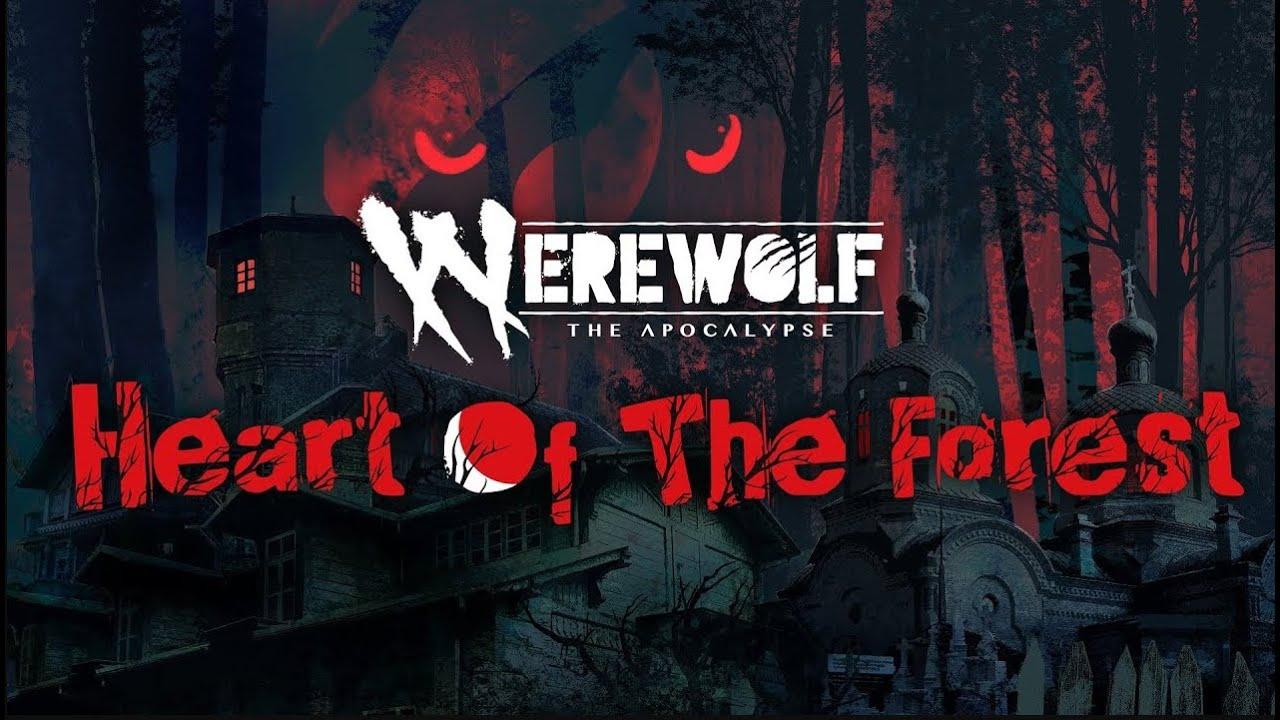
Werewolf: The Apocalypse releases in Q4 2020 with a new trailer, confirmed for Linux PC
Today, July 24, Different Tales and Walkabout have confirmed that Werewolf: The Apocalypse - Heart of the Forest will be launching in Q4 2020 with a brief new trailer.
Previously announced in June comes from the makers of Wanderlust: Travel Stories and The Witcher 1. Heart of the Forest is a narrative adventure game based on the legendary role-playing game Werewolf: The Apocalypse. You play as Maia, a young woman looking to uncover her family’s history. In the pursuit of past mysteries, she arrives at the Białowieża Forest, an ancient wilderness full of ancient and dangerous secrets.
-
Puzzle Explorers: A Tangledeep Story announced and now on Kickstarter
Puzzle Explorers: A Tangledeep Story is the next game from Impact Gameworks, set in the same world as the great Tangledeep dungeon crawler they've gone for something quite different.
The gameplay combines classic Tetris-like falling-block puzzle mechanics with an "Active Time Battle" inspired JRPG battle system, plus other unique puzzle and town-building gameplay and a full story line to progress through. With the real-time combat, you and your party face off against up to 3 monsters. While monsters and your allies take turns attacking and using special abilities, the main character - Mirai - controls the flow of battle on the puzzle board. As you clear lines, you do damage to your enemies. There's a lot more to it than that though with special attacks, monsters that can mess with your puzzle board and more.
-
Prepare to get your feet wet in the latest Counter-Strike: Global Offensive maps
A fresh Counter-Strike: Global Offensive update is out and Valve has done some map rotations to keep it all fresh. Prepare to get your feet wet.
For the maps, Chlorine and Jungle have now left the official matchmaking pool. They've been replaced with two new community maps: Mutiny and Swamp across the Casual, Deathmatch, and Scrimmage game modes. Both have a theme of getting your feet wet with one being a bit flooded and the other having one team start on a pirate ship. Slightly amusing.
-
Orcs Must Die! 3 on Stadia is a vibrant and thoroughly entertaining romp
Orcs Must Die! 3, a hybrid of tower defense and third-person action set in a slightly silly fantasy world from Robot Entertainment with publishing by Stadia Games and Entertainment is a huge amount of fun.
It's a really ridiculously easy game to get into, and that's why I think I've enjoyed playing Orcs Must Die! 3 so much. You get to play through various levels that throw waves of Orcs at you, as you run around placing down traps and at times using your special character abilities and just blast through hundreds of enemies. There's no big fuss to it, it's good stress-free fun for anyone after a more laid-back experience that still has plenty of action involved.
»
-

- Login or register to post comments
 Printer-friendly version
- 2773 reads
 PDF version
More in Tux Machines
- Highlights
- Front Page
- Latest Headlines
- Archive
- Recent comments
- All-Time Popular Stories
- Hot Topics
- New Members
digiKam 7.7.0 is released
After three months of active maintenance and another bug triage, the digiKam team is proud to present version 7.7.0 of its open source digital photo manager. See below the list of most important features coming with this release.
|
Dilution and Misuse of the "Linux" Brand
|
Samsung, Red Hat to Work on Linux Drivers for Future Tech
The metaverse is expected to uproot system design as we know it, and Samsung is one of many hardware vendors re-imagining data center infrastructure in preparation for a parallel 3D world.
Samsung is working on new memory technologies that provide faster bandwidth inside hardware for data to travel between CPUs, storage and other computing resources. The company also announced it was partnering with Red Hat to ensure these technologies have Linux compatibility.
|
today's howtos
|


 Content (where original) is available under CC-BY-SA, copyrighted by original author/s.



Recent comments
1 year 11 weeks ago
1 year 11 weeks ago
1 year 11 weeks ago
1 year 11 weeks ago
1 year 11 weeks ago
1 year 11 weeks ago
1 year 11 weeks ago
1 year 11 weeks ago
1 year 11 weeks ago
1 year 11 weeks ago