



WebKitGTK and WPE now supporting videos in the img tag
Submitted by Rianne Schestowitz on Tuesday 9th of June 2020 05:44:43 PM
Filed under 
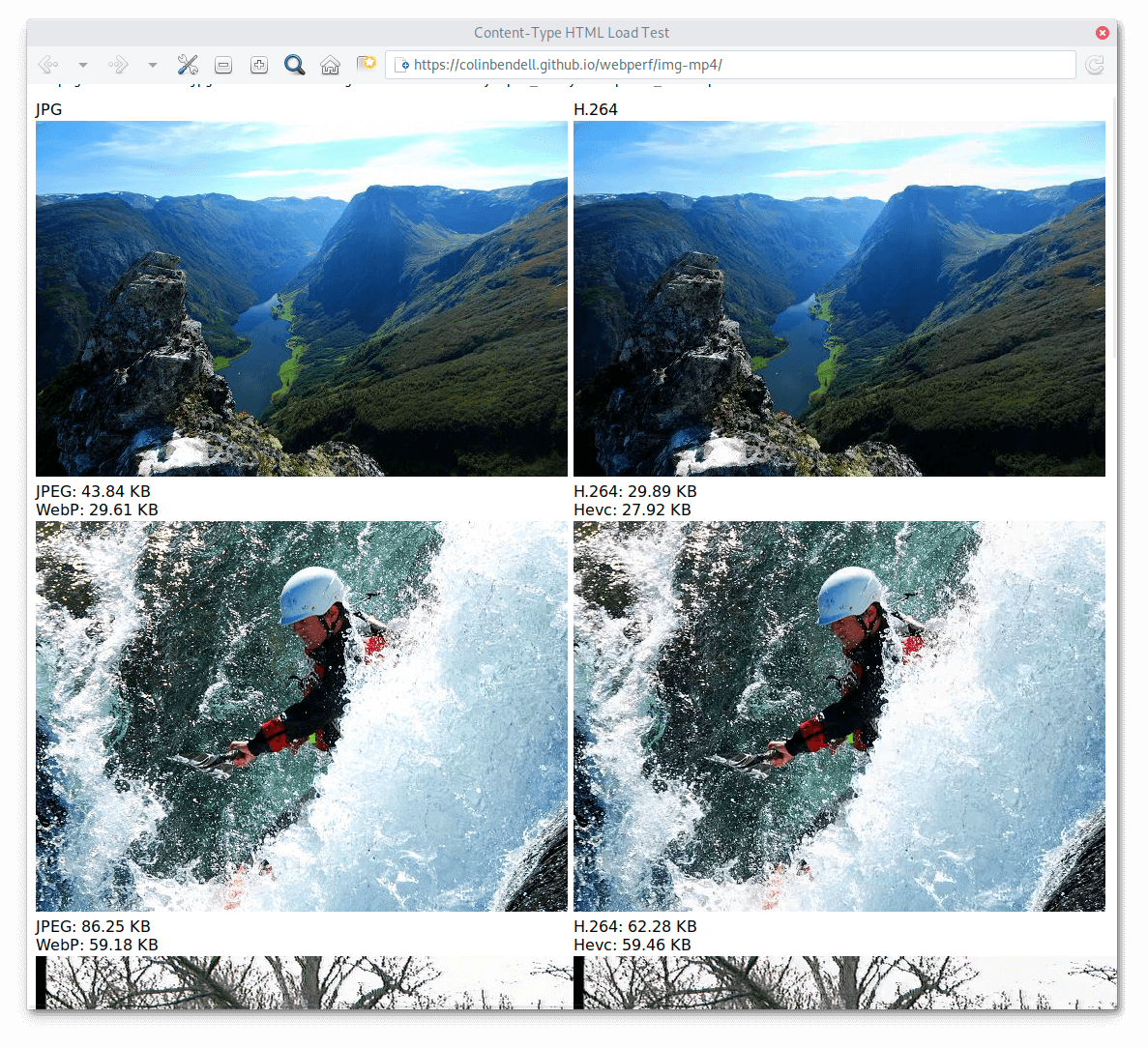
Using videos in the HTML tag can lead to more responsive web-page loads in most cases. Colin Bendell blogged about this topic, make sure to read his post on the cloudinary website. As it turns out, this feature has been supported for more than 2 years in Safari, but only recently the WebKitGTK and WPEWebKit ports caught up. Read on for the crunchy details or skip to the end of the post if you want to try this new feature.
As WebKitGTK and WPEWebKit already heavily use GStreamer for their multimedia backends, it was natural for us to also use GStreamer to provide the video ImageDecoder implementation.
The preliminary step is to hook our new decoder into the MIMETypeRegistry and into the ImageDecoder.cpp platform-agnostic module. This is where the main decoder branches out to platform-specific backends. Then we need to add a new class implementing WebKit’s ImageDecoder virtual interface.
First you need to implement supportsMediaType(). For this method we already had all the code in place. WebKit scans the GStreamer plugin registry and depending on the plugins available on the target platform, a mime-type cache is built, by the RegistryScanner. Our new image decoder just needs to hook into this component (exposed as singleton) so that we can be sure that the decoder will be used only for media types supported by GStreamer.

»
-

- Login or register to post comments
 Printer-friendly version
- 1901 reads
 PDF version
More in Tux Machines
- Highlights
- Front Page
- Latest Headlines
- Archive
- Recent comments
- All-Time Popular Stories
- Hot Topics
- New Members
digiKam 7.7.0 is released
After three months of active maintenance and another bug triage, the digiKam team is proud to present version 7.7.0 of its open source digital photo manager. See below the list of most important features coming with this release.
|
Dilution and Misuse of the "Linux" Brand
|
Samsung, Red Hat to Work on Linux Drivers for Future Tech
The metaverse is expected to uproot system design as we know it, and Samsung is one of many hardware vendors re-imagining data center infrastructure in preparation for a parallel 3D world.
Samsung is working on new memory technologies that provide faster bandwidth inside hardware for data to travel between CPUs, storage and other computing resources. The company also announced it was partnering with Red Hat to ensure these technologies have Linux compatibility.
|
today's howtos
|


 Content (where original) is available under CC-BY-SA, copyrighted by original author/s.



Recent comments
1 year 11 weeks ago
1 year 11 weeks ago
1 year 11 weeks ago
1 year 11 weeks ago
1 year 11 weeks ago
1 year 11 weeks ago
1 year 11 weeks ago
1 year 11 weeks ago
1 year 11 weeks ago
1 year 11 weeks ago