



Dell’s 2019 XPS 13 DE: As close as we currently get to Linux-computing nirvana
Submitted by Rianne Schestowitz on Wednesday 5th of February 2020 05:30:10 PM
Filed under 

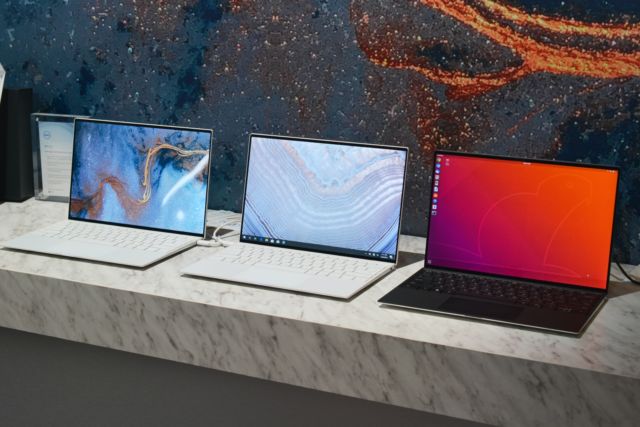
Dell's XPS 13 Developer Edition, the company's flagship "just works" Ubuntu-based machine, was recently refreshed. These days Dell's XPS line is not the cheapest Linux option, nor is it the most configurable or user-upgradable. And if any of those factors are a big part of your criteria, this is likely not the laptop for you.
On top of that, many Linux users still have a strong DIY streak and will turn up their noses at the XPS 13. After all, in a day and age when just about every laptop I test seems to run Linux fairly well right out of the box, do you need official support? If you know what you're doing and don't mind troubleshooting your own problems, the answer is probably not.
Yet after spending a few weeks with the latest XPS 13 (the fourth refresh I've tested), it's hard to shake the feeling that this is the closest any company has come to Linux-computing nirvana. The XPS 13 Developer Edition makes an excellent choice for anyone who prefers Linux but wants hardware support from the manufacturer. All these years into its Linux odyssey, Dell continues to stand behind the operating system on these machines in a way that, in my experience, few other computer makers do.

»
-

- Login or register to post comments
 Printer-friendly version
- 2082 reads
 PDF version
More in Tux Machines
- Highlights
- Front Page
- Latest Headlines
- Archive
- Recent comments
- All-Time Popular Stories
- Hot Topics
- New Members
digiKam 7.7.0 is released
After three months of active maintenance and another bug triage, the digiKam team is proud to present version 7.7.0 of its open source digital photo manager. See below the list of most important features coming with this release.
|
Dilution and Misuse of the "Linux" Brand
|
Samsung, Red Hat to Work on Linux Drivers for Future Tech
The metaverse is expected to uproot system design as we know it, and Samsung is one of many hardware vendors re-imagining data center infrastructure in preparation for a parallel 3D world.
Samsung is working on new memory technologies that provide faster bandwidth inside hardware for data to travel between CPUs, storage and other computing resources. The company also announced it was partnering with Red Hat to ensure these technologies have Linux compatibility.
|
today's howtos
|


 Content (where original) is available under CC-BY-SA, copyrighted by original author/s.



Recent comments
1 year 11 weeks ago
1 year 11 weeks ago
1 year 11 weeks ago
1 year 11 weeks ago
1 year 11 weeks ago
1 year 11 weeks ago
1 year 11 weeks ago
1 year 11 weeks ago
1 year 11 weeks ago
1 year 11 weeks ago