



A Linux Performance Look At AMD's 16-core Ryzen 9 3950X
Submitted by Rianne Schestowitz on Monday 18th of November 2019 03:52:08 PM
Filed under 
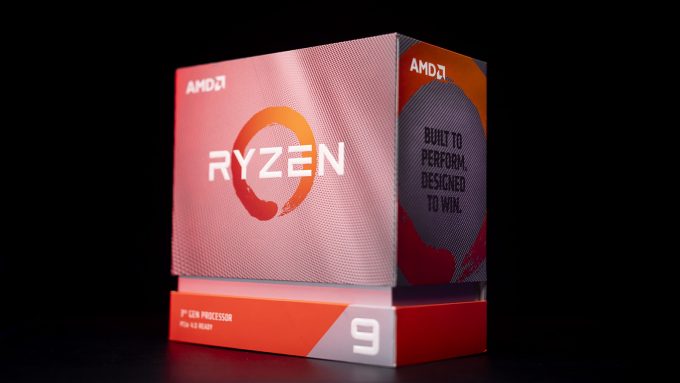
We’ve expanded our Linux test suite since the last CPU performance review. Every scenario, from compiling to rendering, has been expanded to help us get a fuller look at performance overall. Not all workloads are built alike, and the same can be said about the CPUs themselves. It’s never safe to take the opinion of a single test and expect everything to scale the same way.
AMD’s Ryzen 9 3950X is the first mid-range desktop processor to offer sixteen cores, something that comes at a price-point that definitely doesn’t feel mid-range: $749. With the last generation, both AMD and Intel offered no larger than an eight-core chip in their respective mid-range lineups. AMD shook things up this generation with the release of the 12-core Ryzen 9 3900X in the summer. We’ve known about the 3950X since then, so to say that it’s been a long time coming would be an understatement.
When the first Zen 2 chips released, their Linux experience left a lot to be desired. The popular systemd service manager failed to boot until a workaround patch was released. On Windows, Destiny 2 fans on Zen 2 fell victim to the same bug. Fortunately, that was many months ago, and with the most up-to-date AGESA firmware, issues like those are hopefully a thing of the past.

»
-

- Login or register to post comments
 Printer-friendly version
- 2706 reads
 PDF version
More in Tux Machines
- Highlights
- Front Page
- Latest Headlines
- Archive
- Recent comments
- All-Time Popular Stories
- Hot Topics
- New Members
digiKam 7.7.0 is released
After three months of active maintenance and another bug triage, the digiKam team is proud to present version 7.7.0 of its open source digital photo manager. See below the list of most important features coming with this release.
|
Dilution and Misuse of the "Linux" Brand
|
Samsung, Red Hat to Work on Linux Drivers for Future Tech
The metaverse is expected to uproot system design as we know it, and Samsung is one of many hardware vendors re-imagining data center infrastructure in preparation for a parallel 3D world.
Samsung is working on new memory technologies that provide faster bandwidth inside hardware for data to travel between CPUs, storage and other computing resources. The company also announced it was partnering with Red Hat to ensure these technologies have Linux compatibility.
|
today's howtos
|


 Content (where original) is available under CC-BY-SA, copyrighted by original author/s.



Recent comments
1 year 11 weeks ago
1 year 11 weeks ago
1 year 11 weeks ago
1 year 11 weeks ago
1 year 11 weeks ago
1 year 11 weeks ago
1 year 11 weeks ago
1 year 11 weeks ago
1 year 11 weeks ago
1 year 11 weeks ago