



Elementary, my dear: How to revive an old PC with elementary OS
Submitted by Roy Schestowitz on Friday 26th of July 2019 04:03:51 PM
Filed under 

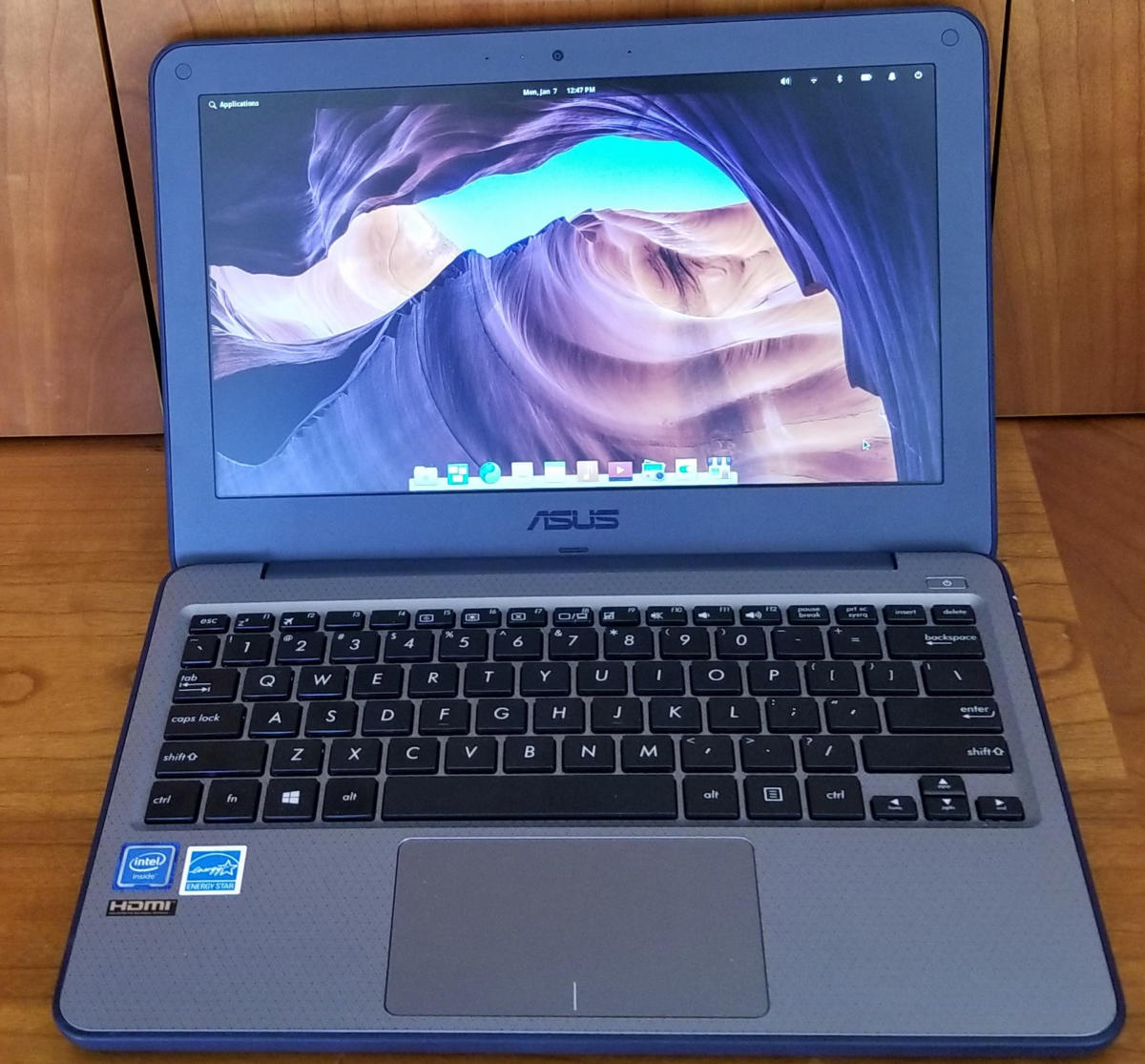
One of the easiest ways to get more out of an old or underpowered system is to free it from Windows and install Linux software instead. An excellent alternative OS for business, Linux lets the computer run at full speed and, depending on the variant you choose, it can cost nothing.
From Aurora to Zorin OS, there are dozens of Linux distributions to choose from. My current favorite is elementary OS. It’s a software shell that sits on top of the Ubuntu distribution. Looking a bit like macOS, elementary is meticulously designed and easy to use. You can pay whatever you want for it (including nothing), and it takes no more than 10 minutes to install.
Elementary OS 5 Juno is the current release. It comes with the basics (email, web browsing, calendar, and more), and an online AppCenter lets you add programs for everything from to-do lists to presentations to file encryption. The underlying Ubuntu software lets you use a system’s Trusted Platform Module (TPM) if it has one.
In this story I’ll demonstrate how to convert a budget laptop to elementary OS using a $250 Asus VivoBook W202N. With its 1.1GHz Celeron processor, 4GB of RAM and 32GB of storage, the machine felt underpowered running Windows 10S, but I found it had more than enough juice for Juno.

»
-

- Login or register to post comments
 Printer-friendly version
- 5760 reads
 PDF version
More in Tux Machines
- Highlights
- Front Page
- Latest Headlines
- Archive
- Recent comments
- All-Time Popular Stories
- Hot Topics
- New Members
digiKam 7.7.0 is released
After three months of active maintenance and another bug triage, the digiKam team is proud to present version 7.7.0 of its open source digital photo manager. See below the list of most important features coming with this release.
|
Dilution and Misuse of the "Linux" Brand
|
Samsung, Red Hat to Work on Linux Drivers for Future Tech
The metaverse is expected to uproot system design as we know it, and Samsung is one of many hardware vendors re-imagining data center infrastructure in preparation for a parallel 3D world.
Samsung is working on new memory technologies that provide faster bandwidth inside hardware for data to travel between CPUs, storage and other computing resources. The company also announced it was partnering with Red Hat to ensure these technologies have Linux compatibility.
|
today's howtos
|


 Content (where original) is available under CC-BY-SA, copyrighted by original author/s.



Recent comments
1 year 11 weeks ago
1 year 11 weeks ago
1 year 11 weeks ago
1 year 11 weeks ago
1 year 11 weeks ago
1 year 11 weeks ago
1 year 11 weeks ago
1 year 11 weeks ago
1 year 11 weeks ago
1 year 11 weeks ago