



Microsoft is killing Windows 7, so you should switch to Netrunner 19.01 'Blackbird' Linux distro now!
Submitted by Roy Schestowitz on Wednesday 16th of January 2019 07:50:09 AM
Filed under 

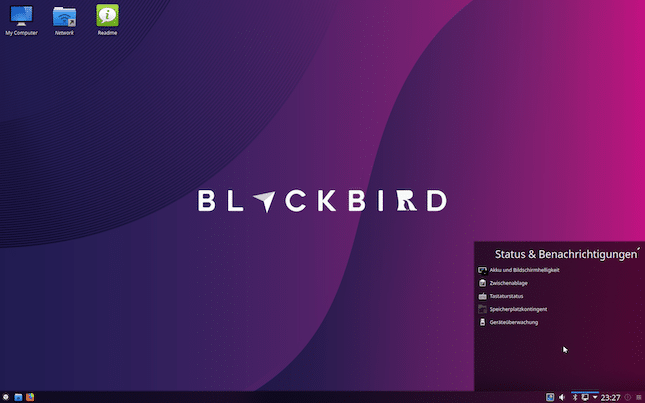
Windows 7 is an excellent operating system. It is a no-nonsense computing experience that just works. There are no ugly live tiles or forced updates. Conversely, Windows 10 is largely trash. Don't get me wrong, Microsoft's latest operating system isn't all bad, but it has many poor design choices, and the intrusive telemetry makes it feel like you are being spied on when using your own computer. Worst of all, it has proven to be very buggy -- it has been deleting important user files! That is scary stuff...
Many Windows users passed on both Windows 8.x and Windows 10, opting to stay on Windows 7. You know what? I don't blame them. Unfortunately, starting today, the Windows 7 death clock begins ticking away. You see, in exactly one year, Microsoft will end support for Windows 7. While the operating system will still function, it is foolish to use an unsupported OS. These folks will have to decide if they want to "upgrade" to Window 10 or opt for something entirely different. Today, Netrunner 19.01 "Blackbird" -- a Linux-based operating system that is reminiscent of Windows 7 -- is finally released. If you don't want to run Windows 10 on your PC, you should definitely give Blackbird a try before the Windows 7 support ends.

Also new: Netrunner 19.01 Blackbird overview | The Bird has landed
»
-

- Login or register to post comments
 Printer-friendly version
- 1756 reads
 PDF version
More in Tux Machines
- Highlights
- Front Page
- Latest Headlines
- Archive
- Recent comments
- All-Time Popular Stories
- Hot Topics
- New Members
digiKam 7.7.0 is released
After three months of active maintenance and another bug triage, the digiKam team is proud to present version 7.7.0 of its open source digital photo manager. See below the list of most important features coming with this release.
|
Dilution and Misuse of the "Linux" Brand
|
Samsung, Red Hat to Work on Linux Drivers for Future Tech
The metaverse is expected to uproot system design as we know it, and Samsung is one of many hardware vendors re-imagining data center infrastructure in preparation for a parallel 3D world.
Samsung is working on new memory technologies that provide faster bandwidth inside hardware for data to travel between CPUs, storage and other computing resources. The company also announced it was partnering with Red Hat to ensure these technologies have Linux compatibility.
|
today's howtos
|


 Content (where original) is available under CC-BY-SA, copyrighted by original author/s.



Recent comments
1 year 11 weeks ago
1 year 11 weeks ago
1 year 11 weeks ago
1 year 11 weeks ago
1 year 11 weeks ago
1 year 11 weeks ago
1 year 11 weeks ago
1 year 11 weeks ago
1 year 11 weeks ago
1 year 11 weeks ago