



Robolinux 9.3 Raptor - Bird of prey?
Submitted by Roy Schestowitz on Tuesday 21st of August 2018 01:10:30 PM
Filed under 
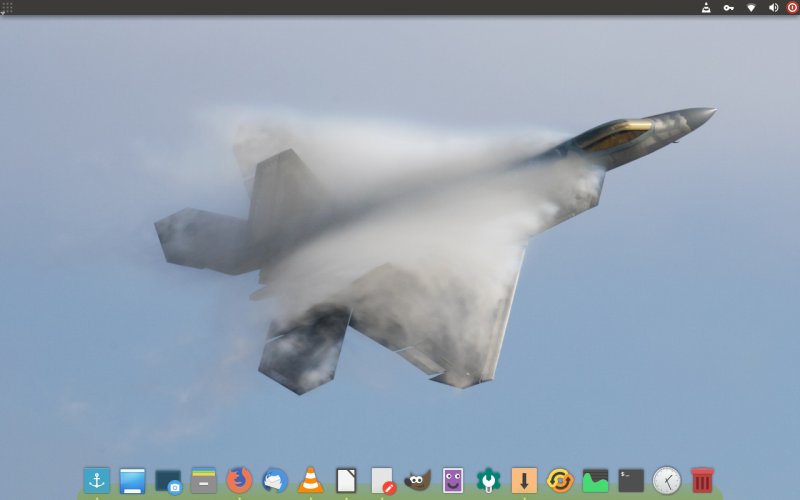
Robolinux 9.3 Raptor is an interesting project. On one hand, it does most of the basics well, offers good functionality out of the box, comes with modern features and software, and tries to provide unique value through its Stealth VM capability. Quite commendable on that front.
Unfortunately, there are problems, too. The looks are more than questionable, the aggressive focus on donations spoils the experience and even breeds a sense of mistrust, hardware compatibility can be quite a bit better, and there were also some crashes and a dozen papercuts typical of small distros. In the end, it's still Ubuntu, improved and spoiled by the extras. The security card is flashed way too many times, and it creates a sour feeling. This is a neat distro, but it tries too hard.
All in all, it has its own identity, and it could become quite useful to new users, but it's overwhelming in its current guise, and the desktop stability needs to improve, pretty much across the board. It deserves something like 7/10. Well, that said, I'm looking forward to the next release, hopefully with more aesthetic focus and a fully streamlined operating system conversion and migration experience for new users. Now that could really be a killer feature. Take care.

»
-

- Login or register to post comments
 Printer-friendly version
- 2335 reads
 PDF version
More in Tux Machines
- Highlights
- Front Page
- Latest Headlines
- Archive
- Recent comments
- All-Time Popular Stories
- Hot Topics
- New Members
digiKam 7.7.0 is released
After three months of active maintenance and another bug triage, the digiKam team is proud to present version 7.7.0 of its open source digital photo manager. See below the list of most important features coming with this release.
|
Dilution and Misuse of the "Linux" Brand
|
Samsung, Red Hat to Work on Linux Drivers for Future Tech
The metaverse is expected to uproot system design as we know it, and Samsung is one of many hardware vendors re-imagining data center infrastructure in preparation for a parallel 3D world.
Samsung is working on new memory technologies that provide faster bandwidth inside hardware for data to travel between CPUs, storage and other computing resources. The company also announced it was partnering with Red Hat to ensure these technologies have Linux compatibility.
|
today's howtos
|


 Content (where original) is available under CC-BY-SA, copyrighted by original author/s.



Recent comments
1 year 11 weeks ago
1 year 11 weeks ago
1 year 11 weeks ago
1 year 11 weeks ago
1 year 11 weeks ago
1 year 11 weeks ago
1 year 11 weeks ago
1 year 11 weeks ago
1 year 11 weeks ago
1 year 11 weeks ago