
original
There Cannot be Software Freedom Without Quality Control (LLM Slop Needn't be Tolerated)
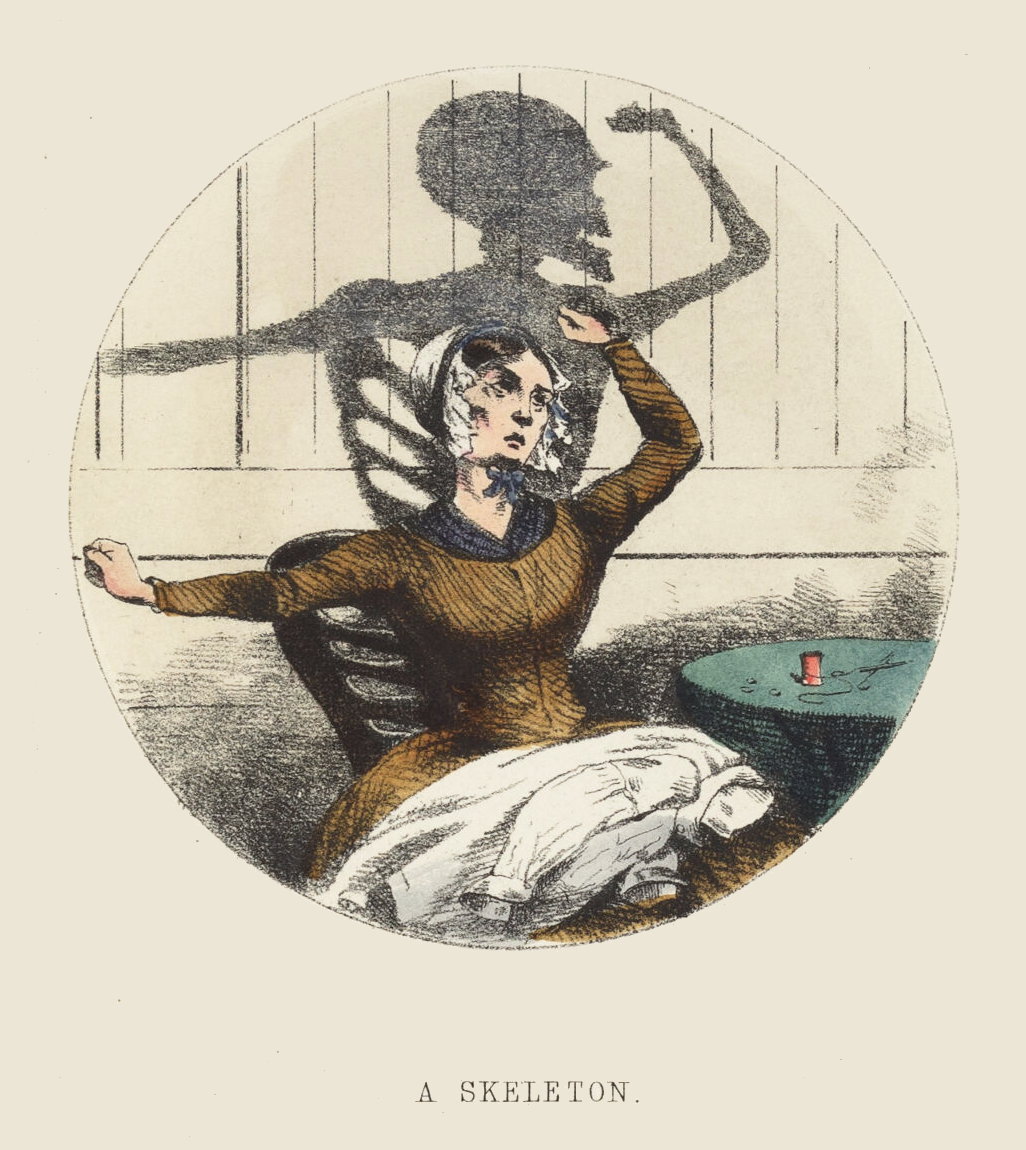
Bad software quality can kill people, depriving them of very basic liberties/freedoms
Akira Urushibata has followed up on the above (recent) post to a mailing list (libreplanet-discuss) by clarifying GNU's stance on quality vs "popularity":
I notice that popularity is a recurring topic in the GNU/Linux FAQ.GNU/Linux FAQ - GNU Project - Free Software Foundation
http://www.gnu.org/gnu/gnu-linux-faq.htmlThese questions, the last four of the list are illustrative:
* Wouldn't you be better off not contradicting what so many people believe? * Since many people call it "Linux," doesn't that make it right? * Isn't it better to call the system by the name most users already know?
* Many people care about what's convenient or who's winning, not about arguments of right or wrong. Couldn't you get more of their support by a different road?
If somebody around you raises one of the above four arguments, what would you reply be?
Akira Urushibata
Mr. Urushibata also answered a follow-up on how quality impacts Freedom:
Deep P. Pandya wrote:


> ... I couldn't understand what do you mean by "Whenever a program
> doesn't work right the user's freedom is forfeited. Fewer bugs means
> more freedom."
>
> How is the bug related to the freedom?


In the past (before GNU became popular) we used proprietary compilers
and interpreters which were buggy.  They rejected valid code.
Programmers had to devise work-arounds which consumed time and effort.
Often the work-arounds were difficult to understand.  Some people even
employed invalid syntax accepted by the compiler which meant introducing
a new problem code to overcome a compiler bug.  If the supplier of the
compiler decided to fix the bug in a future version, the work-around
would become a bug.


We experienced this and felt that we were compelled to write corrupt
code.  We were deprived of the freedom to do decent work.


Computer software is now used in a great many products and services.
Bugs cause recalls, service outages and such which disturb society.


For instance a bug in software which controls commercial jetliners
will cause all planes of the model to be grounded.  Trips will be
rescheduled to less convenient dates or canceled altogether.
People lose the freedom to attend conferences, meet friends or
relatives, enjoy sightseeing, etc.


Bugs in software for health care can have serious effects.
Consider a program which determines whether one is infected by
a contagious pathogen.  A false positive will lead to unnecessary
quarantining.  A false negative may cause the disease to spread.
In either case people lose the freedom to work, go to school,
go shopping, attend social events, etc.


> A bug-free proprietary software doesn't provide any freedom to users
> whereas a buggy libre software provides full freedom to users.


When there is a bug in free software one is free to take action to
fix it.  Not everybody takes action.  In reality few people do the
hard work.  As I pointed out attempts to tell people about the
contributions of good citizens are often ignored by prejudiced people.


> So, bug is the technical issue whereas freedom is the ethical issue.


This is an important point which required careful consideration.
When we hear about ethics and faith we tend to think of forces which
try to restrict our freedoms.  But often they advise practices and
attitudes which protect freedoms.  Consider the term "work ethos".


W. Edwards Deming who taught the Japanese statistical quality control
said:


  "Wherever there is fear, you get false figures."


The false figures eventually cause problems.  The problems interfere
with someone's freedom.


Akira Urushibata
So in a nutshell, software freedom also depends on quality. █
Image source: A Skeleton