
news
Linux mint: Monthly News – January 2026
Quoting: Monthly News – January 2026 – The Linux Mint Blog —
We received donations from more than a thousand people in December! I know I talked about this before, but I’ll do it again because this number of donors in a single month is unprecedented. I like to imagine that many people gathered together at the same time just to support our project. It’s humbling and incredibly motivating. I feel really proud of this community and delighted to see how happy you are with our work. Thank you so much to all of you!
Also:
-
Linux Mint may make fewer releases a year
Project leader Clement Lefebvre thinks moving to a longer development cycle would allow the team to spend more time developing features, rather than fixing and testing to meet its current deadlines.
If it does switch to a more ‘when it’s ready’ model, it will likely affect the release of Linux Mint 23 later this year – an end to the traditional biannual release cadence for its main edition, and its work on the Linux Mind Debian Edition (LMDE).
For fixed-schedule Linux distributions like Ubuntu, a predictable release cadence helps to focus engineering priorities. It also give users stability, knowing major changes won’t appear out of thin air.
How-To Geek:
-
Linux Mint might overhaul its release schedule
Linux Mint has been a popular Linux distribution based on Ubuntu and Debian for years, with new versions coming (roughly) every six months. That might change in the future, though.
The Linux Mint team is considering a longer development cycle for each update, which would mean less frequent releases. A new blog post from the team explained, "Releasing often is important because it means we get a lot of feedback and bug reports when we introduce changes. […] But it takes a lot of time, and it caps our ambition when it comes to development. With a release every six months plus LMDE, we spend more time testing, fixing, and releasing than developing."
Linux Mint's current update schedule is typical for a fixed-release Linux distribution. Ubuntu and Fedora also ship new versions every six months, and Debian releases and long-term support (LTS) versions of Ubuntu arrive every two years. Linux Mint currently uses Ubuntu LTS as its foundation, except for the Linux Mint Debian Edition (LMDE), which uses Debian.
XDA:
-
Linux Mint may publish fewer updates a year, but that's not necessarily a bad thing
Linux distros come in all kinds of shapes and sizes, and there is no "strictly better" distro out there. It all comes down to what you want from your OS and how you want it to act. For instance, I adore how Fedora introduces updates at a rapid rate, but other people will want their OS to take things easy and not cram in new features until it has undergone rigorous testing.
Linux Mint was already not particularly fast with updates, but the developers are deciding to lengthen the time between checkpoints. And while that may sound like a bad thing on the surface, it seems like it'll benefit the operating system in the long run.
Adding More:
-
Sad news? Linux Mint may soon be shutting down its shorter development cycle - Neowin
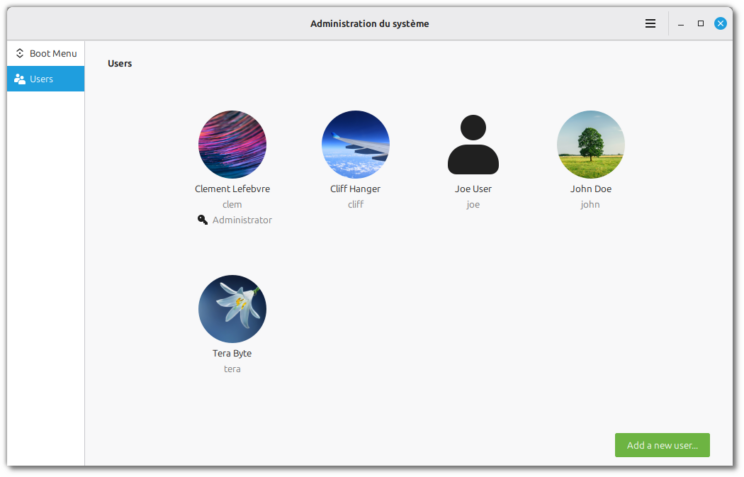
The Linux Mint team has published its report for January 2026, detailing things like improvements to input methods, a new system administration tool handling user details, and a completely new screensaver built for Wayland.
Starting with the input method improvements, the team realized some users like to use logical keyboard layouts that do not match their physical keyboards, especially when working with different input methods.
Linux Mint Wants Fewer Releases Each Year (For Good Reasons)
Linux Mint might be changing how often it releases new versions. Clement Lefebvre, the project lead, has revealed that the team is thinking about moving away from their current release schedule.
Currently, Linux Mint follows a tight release timeline where they ship a new release every six months, plus maintain and ship new releases of Linux Mint Debian Edition (LMDE).
The problem with this approach, as Clement adds, is that the developers are spending more time fixing, testing, and releasing instead of developing features. He further says that they have run out of codenames and that the next Linux Mint release will be based on an LTS release (presumably Ubuntu 26.04 LTS).
GoL:
-
Linux Mint may slow down releases to have more development time | GamingOnLinux
Along with receiving an unprecedented amount of donations recently, the Linux Mint team are looking at slowing down their release cycle.
Tom's Hardware:
-
Linux Mint team considers longer gaps between releases in attempt to accelerate development efforts — current six-month cycle means ‘we spend more time testing, fixing, and releasing than developing’
Linux Mint developers want to break from their self-imposed six-monthly cycle to build more ambitious updates.
FOSS Force:
-
Take Our Poll: Do You Support Linux Mint’s Slower Release Plan? - FOSS Force
You’ve probably heard the news already that Linux Mint might be cutting back on the frequency of new releases. In a post published on Wednesday, Mint’s lead developer and overall head honcho, Clem Lefebvre, said that he and his team are thinking about throttling the distro’s release schedule.
The Register:
-
Linux Mint's success also means maintainer stress
Although we're in mid-February, the Linux Mint project just published its January 2026 blog. This could be seen as one sign of the pressure on the creator of this very successful distro: although the post talks about forthcoming improved input localization support and user management, it also discusses the pressures of the project's semi-annual release schedule.
The Mint project's latest post thanks a record-breaking 1,000 + donors, and talks about future plans – which may include a slower release schedule.
We covered the release of Linux Mint 22.3 in mid-January, and apparently it's been a hit. The Linux Mint project received an impressive 1,393 donations last month, totalling $47,312 (£34,713) – a new record, and aside from the controversial Distrowatch rankings, it is another decent measure of the distro's deserved popularity. The blog post also mentions new features that the development team are working on. These show the breadth of problems that a widely used distro faces.