
original
Protecting the Birds From One Pesky Neighbour
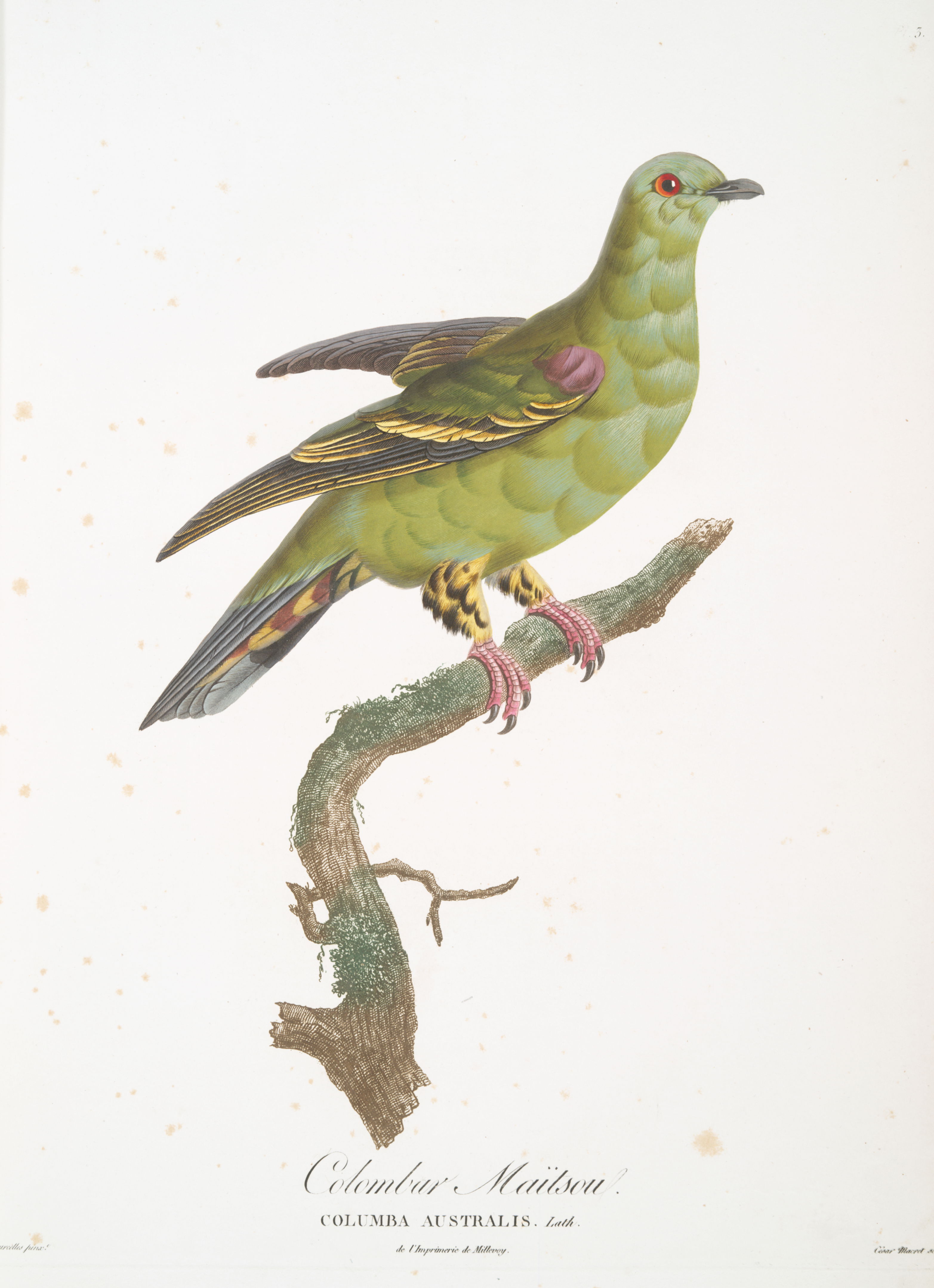
Neighbours are not something you choose, they are just something you have. For over a year now the neighbourhood has participated in feeding birds. We took the lead and others followed. Neighbours who are grumpy, however, don't like that. And they keep making complaints. So we (and we might assume some nearby neighbours too) received a letter this week. It is worded politely and I decided to reply to it. I want to engage, not to protest, and doing do in public can help other homes that want to foster nature and help biological diversity in the UK.
So let's start with the letter that we and perhaps others have received:
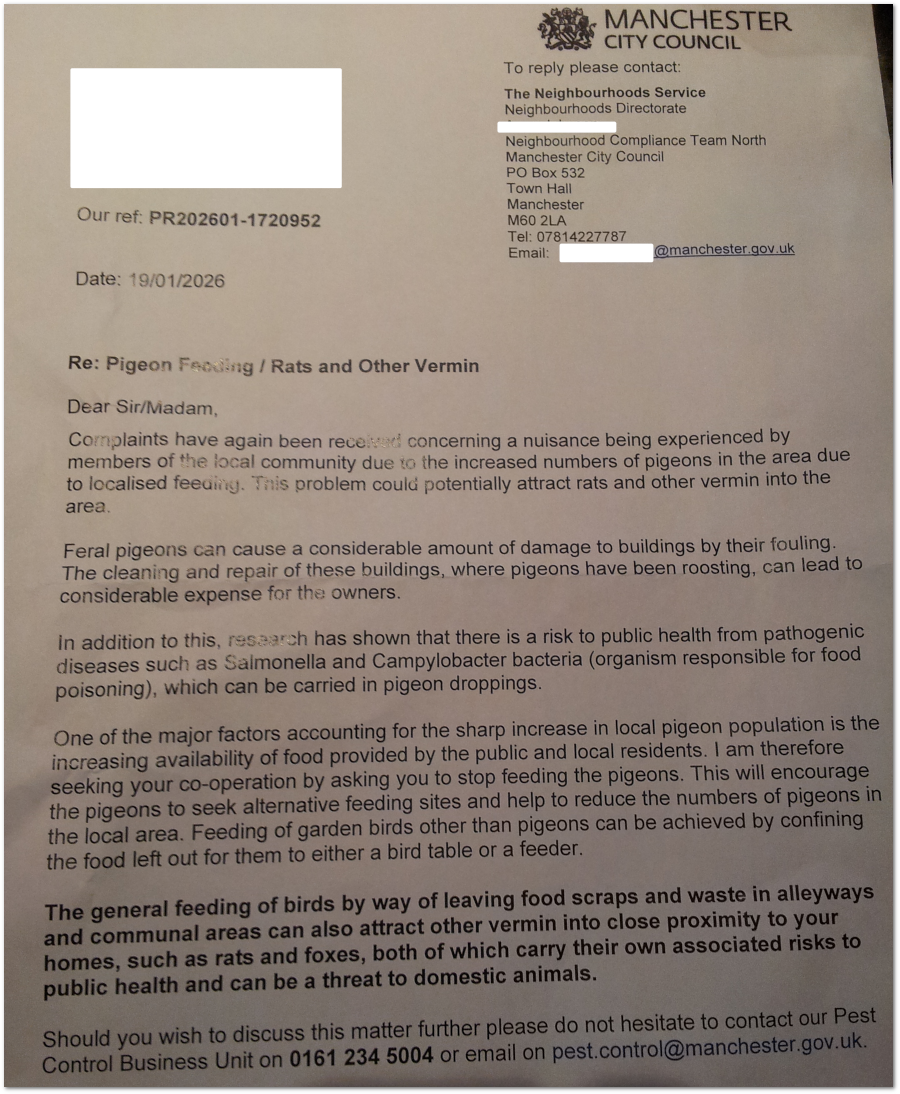
I responded within hours:
A. I would like to start by correcting the subject line or the headline (letter heading is a reference that starts with PR, which makes it sound like Public Relations).
B. What is at stake here is not "Pigeon Feeding"; we have spotted a variety of birds enjoying or feeding, ranging from very small to as large as pigeons.
C. We estimate that as many as 10 species of birds come, some of them more often than others. Some can be considered "garden birds", which are technically just a made-up human taxonomy because nature lacks the concept of a "garden" and we cannot classify birds based on their self-centric desirability to humans rather than demonstrable biology/anatomy.
D. This is not a new matter; We a) Write about it routinely; and b) Wrote about the subject nearly a dozen times in 3 Web sites this past summer, which is when we contacted Town Hall (or City Council) regarding meritless or even false claims about what was happening.
E. We've already discussed it directly; we further sent about half a dozen E-mails and made telephone calls. This came to an end in September 2025. We have heard from nobody regarding this matter for 4 months, yet nothing has changed.
F. In the past 4 months: a) We did not alter the feeding pattern; and b) It's crucial to point out that we don't feed more that the nearby birds can finish is about 60 seconds by scattering it mindfully, not recklessly pouring out seeds, so there won't be much left for any other animal to find, sans small birds that can scoop up small morsels like shells.
G. We do not share with the birds the standard cheap seeds that ordinary shops sell but premium seeds, which take much diligence and physical effort to carry home and organise into glass jars.
H. We are animal rights proponents (one might say activists) who support multiple animal charities - to the extent that is feasible to us.
I. This activity by us isn't ours and isn't done for any personal gain; it is a product of love for nature.
J. Several of our neighbours regularly feed the birds too. Some give them seed, some give them bread and various spare pastries. There is sharing and participation; there's even collective action of sorts. Believe it or not, many people do like birds and like their sound, presence, etc. Even our next-door neighbours feed them sometimes.
K. We only know of one neighbouring home that dislikes the birds. Many tenants nearby have a negative opinion not of the birds but of these neighbours.
L. We understand a compromise is needed here for all sides to be satisfied or mutually appeased. Would it be OK if we limit the feeding to once per day (at the same time)? That can encourage the bird to forages somewhere else.
M. We sometimes feed birds in the nearby parks as well. We can do more of that. That would help us retain the sense of us fulfilling our obligation to wildlife.
N. The birds have long been here, even before humans existed, and well before deforestation - with homes replacing their natural habitat.
O. For the interest of the public and reasonable transparency (or scrutiny where necessary, of course while redacting or hiding identities of individuals or other sensitive information) I will engage on this matter publicly and do so amicably, constructively, and with the interest of all living creatures in mind.
P. While it's hard to assess if this matter is precedential (full transparency would contribute towards this), no doubt the resolution here can form the basis for any future letters to the same effect, so recording the outcome and negotiation thereof is a matter of public interest.
Let's see what they'll say next. █
Image source: Madagascar green pigeon