
news
openSUSE Leap 16.1 Officially Released with Immutable Mode, Based on SLES 16.1
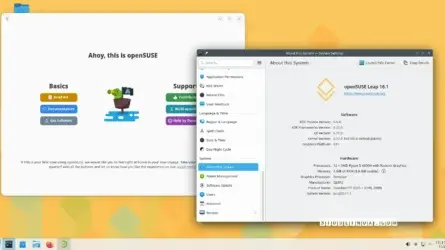 >
Coming more than a year after openSUSE Leap 16.0, the openSUSE Leap 16.1 release folds Leap Micro, openSUSE’s immutable server distribution, into Leap itself through a new Immutable Mode, which lets you transactionally update a system with a read-only root file system.
Each update with transactional-update creates a new snapshot, and a single command rolls the system back if something goes wrong. Additional software can be installed through containers with Podman or Distrobox, or through Flatpak on the desktop.
Planet SUSE:
-
Leap 16.1 Unites Traditional and Immutable Linux in One Release - openSUSE News
Members of the openSUSE Project are excited to announce the release of openSUSE Leap 16.1. This is the first minor release in the Leap 16 series and with this release, openSUSE’s immutable server distribution, Leap Micro, becomes part of Leap itself through a new Immutable Mode.
Last year, Leap 16.0 opened a new chapter for the project with a fresh software stack, the Agama installer and a life cycle that runs into the next decade. Leap 16.1 continues that story. It folds openSUSE’s immutable server distribution into Leap itself, so one distribution now covers desktops, traditional servers, container and virtual machine hosts, and edge devices.
“Leap’s image gives the best of both for traditional and immutable users, and we expect that Tumbleweed will follow when Agama becomes the default installer for Tumbleweed as well.” said Leap release manager Lubos Kocman. “The Leap Micro experience people relied on is still here, but now it shares the same release, the same life cycle and the same maintenance updates as the rest of Leap, so users only have to pick the mode that fits their workload.”
-
OpenSUSE Leap 16.1
The openSUSE project has announced the release of openSUSE Leap 16.1. The release is notable for allowing both traditional installations and immutable images with transactional updates. While immutable images had previously been available for Leap Micro, they are now available across all platforms that Leap supports, including servers, desktops, and virtual machines.
LWN:
How-To Geek:
-
Want traditional or immutable Linux? openSUSE Leap 16.1 lets you decide
Since outlining its Leap 16 plans in 2024, Linux distro openSUSE has been working toward a more flexible Linux ecosystem, embracing SUSE’s Adaptable Linux Platform technology while promising to preserve traditional installations. This eventually resulted in two distinct offerings: Leap for traditional desktop and server environments, and Leap Micro for immutable systems. Leap 16.1 now combines both approaches.
The Linux distro has announced that openSUSE Leap 16.1 introduces Immutable Mode, effectively bringing the power of Leap Micro to the main Leap distro. Users can still install a traditional system with a writable root filesystem and the package management they know, or choose an immutable setup that aims to make the underlying operating system more predictable.
The Register:
-
OpenSUSE Leap 16.1 gives Linux users the right to remain immutable
openSUSE Leap 16.1 lets users choose between a conventional Linux installation and an immutable system from the same installer, bringing the previously separate Leap Micro into the fold.
It's the first point release after Leap 16.0, which we looked at last year when it reached the release candidate stage.
Leap 16.1 has arrived ahead of its paid enterprise sibling, SUSE Linux Enterprise Server 16.1, which is expected later this month. Its release notes are already available, and IBM discussed the release in September.
The big change in the 16.1 release cycle of both the free and commercial products is that SUSE is merging its conventional Linux with its immutable version, a change the company announced back in February.