
original
Free Software Makes Complex Setups Affordable and Feasible
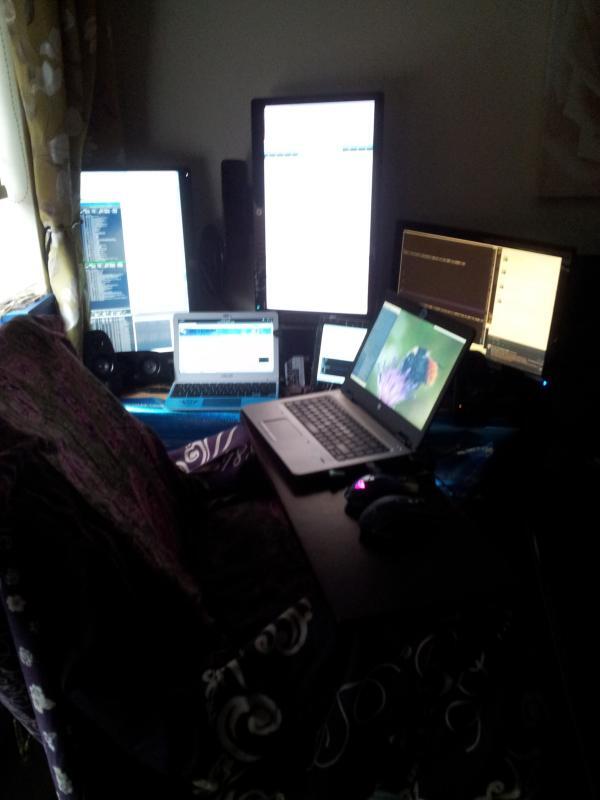
I've used dual-head computers (typically but not always laptop+external monitor) since 2000 or 2001. I think 2001. I discovered how valuable a second display could become, more so when working on a relatively small laptop with a maximal resolution of less than 1,000 pixels (either vertical, horizontal, or both). Remember we're talking about 25 years ago. 600x800 (or 800x600) was still common, 1024+ was better. Look how much we've advanced, my laptop from 2016 can now do "HD" and another "HD" over VGA cable.
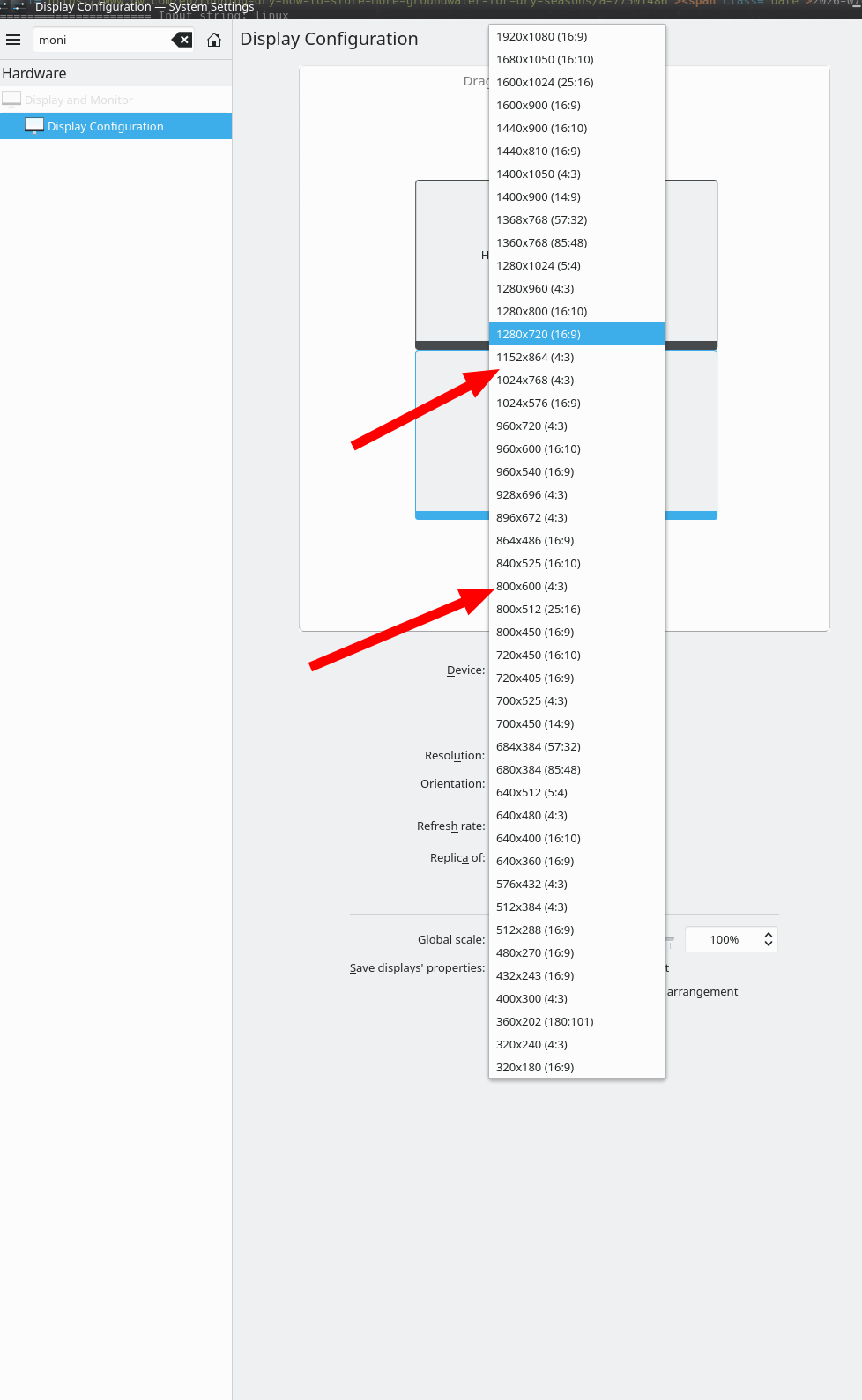
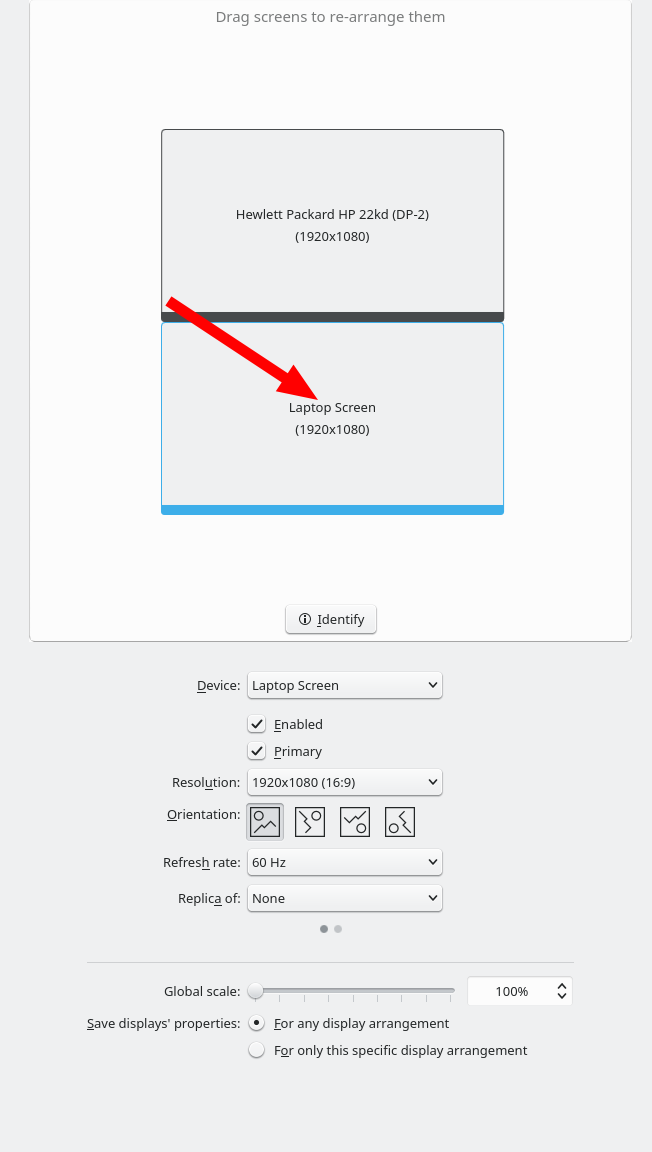
This is a decade-old laptop!
Let's look back at 2001.
Flat screens were not just relatively new; they were extremely expensive at the time, typically too hard to justify their cost. In later years I'd add a third monitor, then a second machine (with SSH, Barrier or predecessor/s, or multiple peripherals/KVM switch).
In 2002 in Manchester Computing (MCC) I was given my own office with 3 computers in it. Sooner or later it became difficult for me to tolerate working on one single machine with one single monitor, as it would mean a lot of context switching and time wasted shifting between programs instead of moving the eye/head.
By 2020 PCs that were "preowned" (used) were so cheap to purchase that I had already accumulated a few, sometimes even bought some with very low specs (anew; they still function by the way).
GNU/Linux and Free software had no trouble coping with the low specs, more so when they ran programs like terminals, IRC clients, and other software with low RAM and CPU "footprint".
Those run 24/7 without taking up a lot of energy.
By 2020, with a budget of well under $1000, I could put together new setups of 7 or 8 screens, with integration among the computers that "drove" those screens. Back then the cost of energy wasn't so high (it was before the Ukraine war).
From what I can gather, Windows users in pursuit of similar or equally capable setups (complementary not in the capability sense, albeit not on par) would spent over $5,000 on some advanced GPUs, massive display/s, and office equipment that's sold as a "Rolls Royce" for computer users. A "Bloomberg" workstation ("terminal"), for instance, is far from affordable.
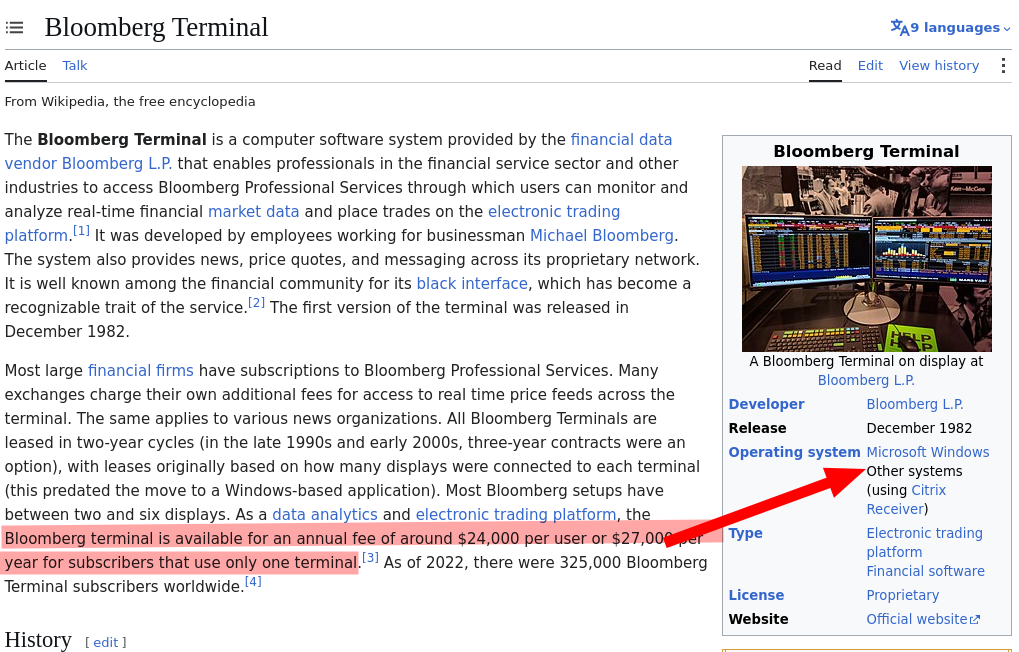
Let that cost sink in: "As a data analytics and electronic trading platform, the Bloomberg terminal is available for an annual fee of around $24,000 per user or $27,000 per year for subscribers that use only one terminal."
It pays off to be frugal and being frugal is vastly easier when one adopts only Free software.
In general, frugality is nothing to be a shame of, it is generally working to one's advantage. █
Image source: Working From Home (Lock-Down)